
Pakistan has a large freelance community, but the useful question is not whether there are enough platforms. There are plenty.
The harder part is figuring out which ones actually fit the way you want to work.
A developer looking for long-term international clients has a different problem from a student trying to get a first paid project. A designer may do well on Fiverr or Behance, while someone with a stronger professional network may find better work through LinkedIn than through a bidding marketplace.
There is also a real local angle in Pakistan. Freelancers often have to think about international payments, local banking, tax records, and how to build trust with overseas clients when most of the work is happening remotely.
So rather than treating every website as though it does the same thing, here are the platforms worth understanding and where each one fits.

Flexable
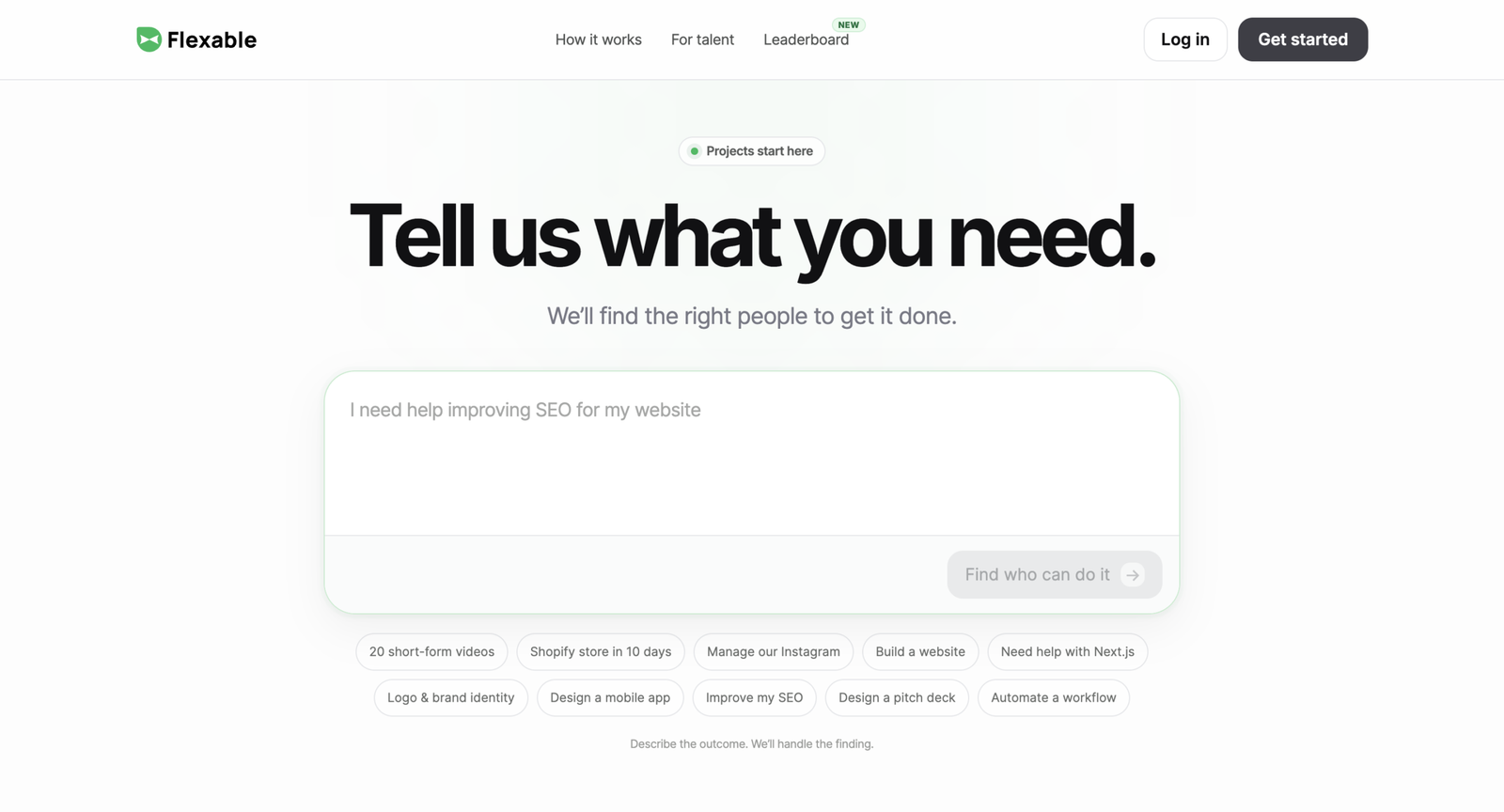
Flexable starts with the project rather than expecting clients to search through a huge directory of profiles.
A client explains what they need, including things like the scope, budget and timeline, and relevant freelancers or teams can then be matched around that work. For freelancers, the important part is showing clearly what kind of projects you can actually handle and having previous work that supports it.
That can suit Pakistani freelancers who want project-based work without spending all of their time competing inside a public bidding feed.
The platform also supports agencies and small teams, which is relevant in Pakistan because a lot of freelancers eventually start working together once projects become larger. A developer may bring in a designer, or a marketing specialist may work with a writer and video editor rather than trying to do everything alone.
That project-first model is part of how Flexable has changed over time. We explain the current approach in FLXB 2.0: How Flexable Works Today.
Upwork
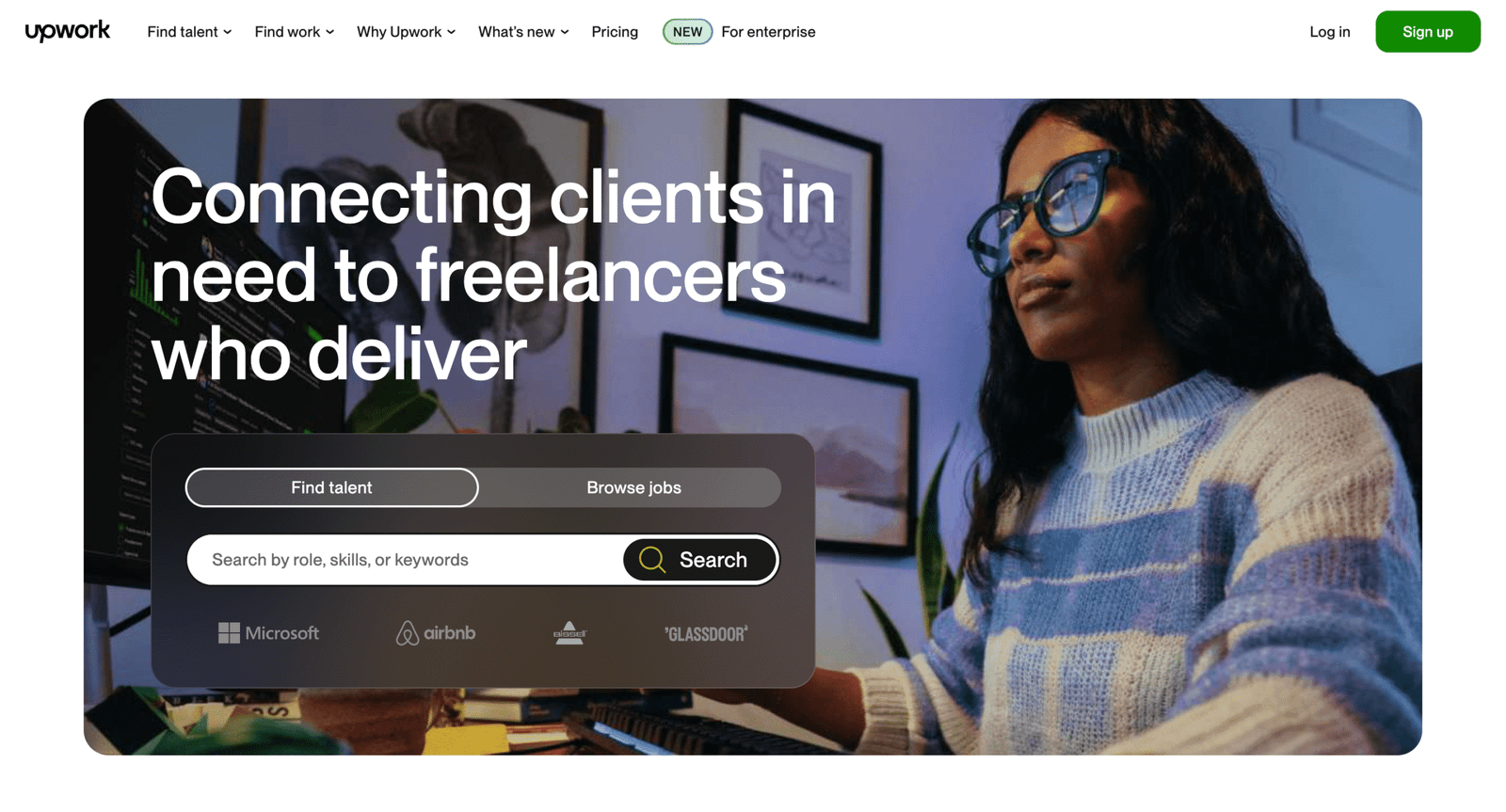
Upwork is still one of the main places Pakistani freelancers use to find international clients.
There is work across development, AI, design, marketing, writing, finance, consulting, customer support, data and a long list of other categories. Some projects are small, while others can turn into relationships that continue for months.
The opportunity is large, but so is the competition.
Upwork works much better when your profile is specific and your proposals are selective. Someone who clearly builds Shopify stores for ecommerce companies is easier for a client to understand than someone who lists development, graphic design, SEO, writing and social media on the same profile.
For Pakistani freelancers, international payments are also part of the practical side of using the platform. Before committing heavily to any marketplace, check its current withdrawal options, conversion costs and fees so you know what actually reaches you after a project is paid.
Fiverr
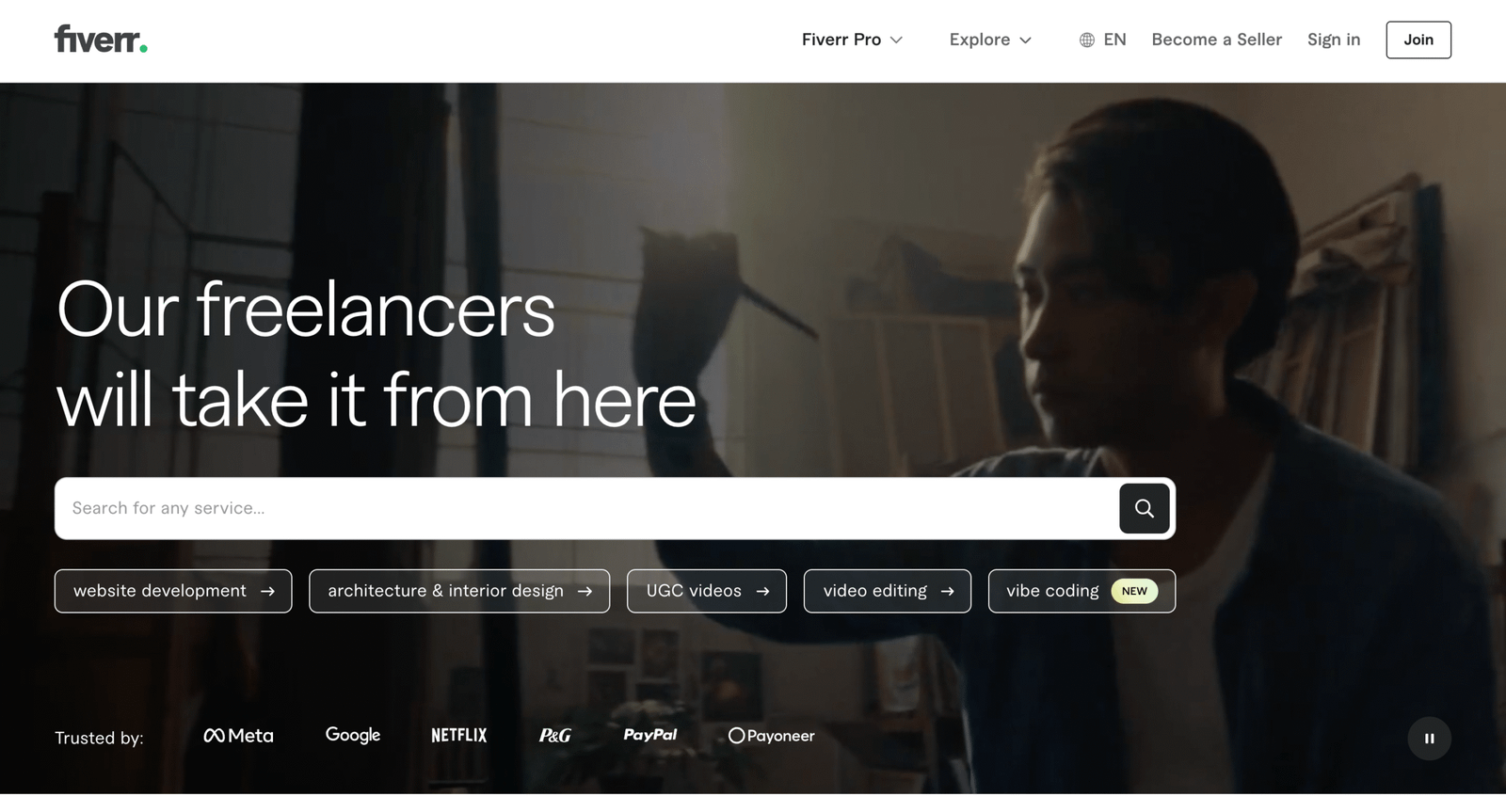
Fiverr works differently because the freelancer creates a service and clients come looking for it.
That fits certain kinds of work very naturally.
Video editing, logo design, voiceover, WordPress work, animation, social media creatives, SEO services and other clearly defined deliverables can all be packaged in a way that a buyer understands quickly.
That is one reason Fiverr has been a common starting point for freelancers in Pakistan. You do not necessarily need to wait for the right project listing and write a new proposal every time.
The difficult part is standing out once a category becomes crowded.
If hundreds of people are offering almost the same service, competing only on price becomes a bad long-term strategy. Better examples, clearer positioning and a more specific type of client usually help more than simply making the Gig cheaper.
Freelancer.com
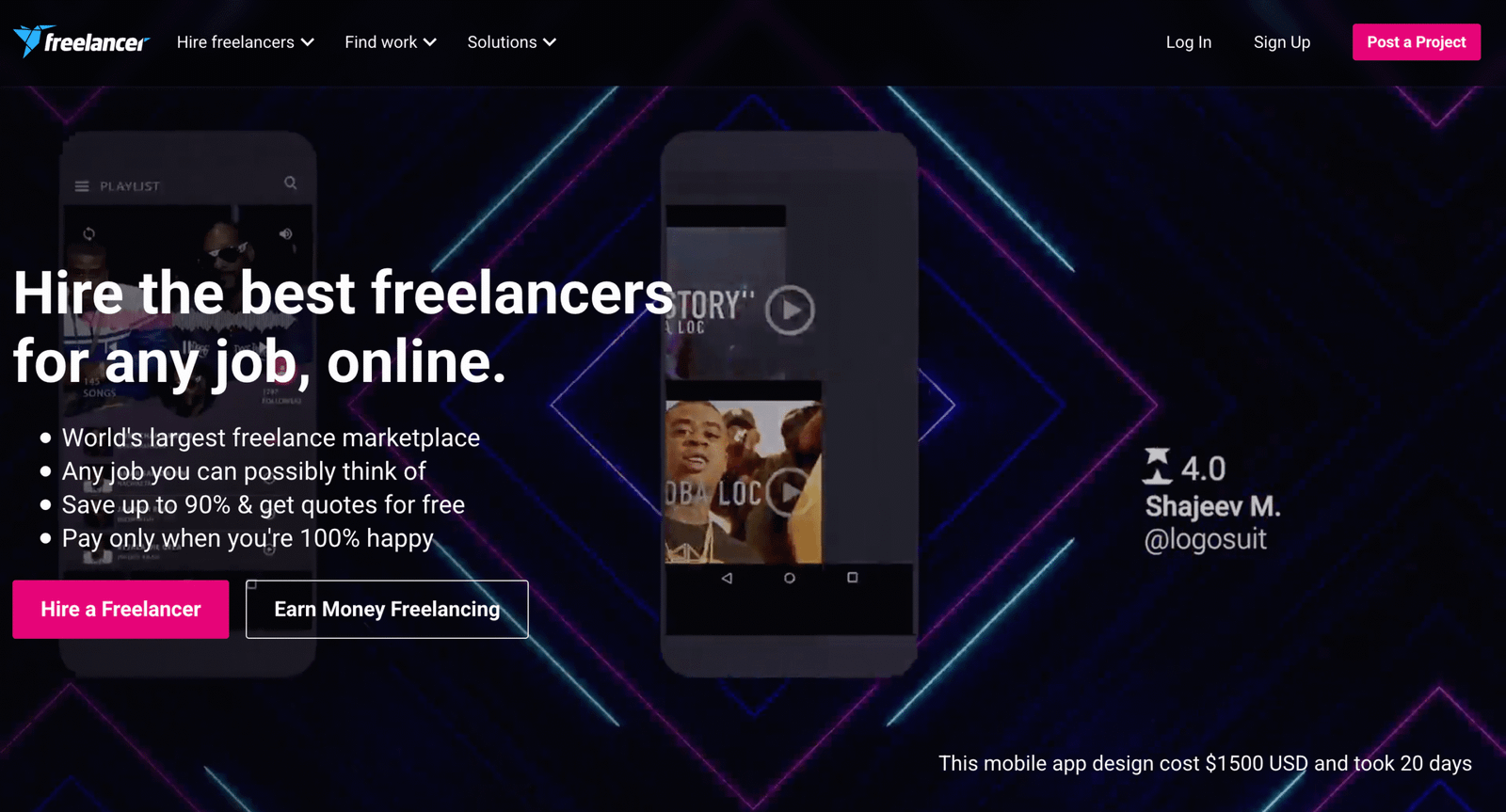
Freelancer.com uses the traditional project-bidding model.
Clients publish work, freelancers bid for it, and the platform also runs contests in some creative categories.
There is a lot of work to browse, but the quality and budgets can vary widely. That means filtering matters.
A vague project with an unrealistic budget is still a bad project even if you manage to win it.
For someone comfortable writing proposals and competing in an open marketplace, Freelancer.com can add another source of international opportunities. I would just avoid treating the number of bids you send as the main measure of progress.
Truelancer
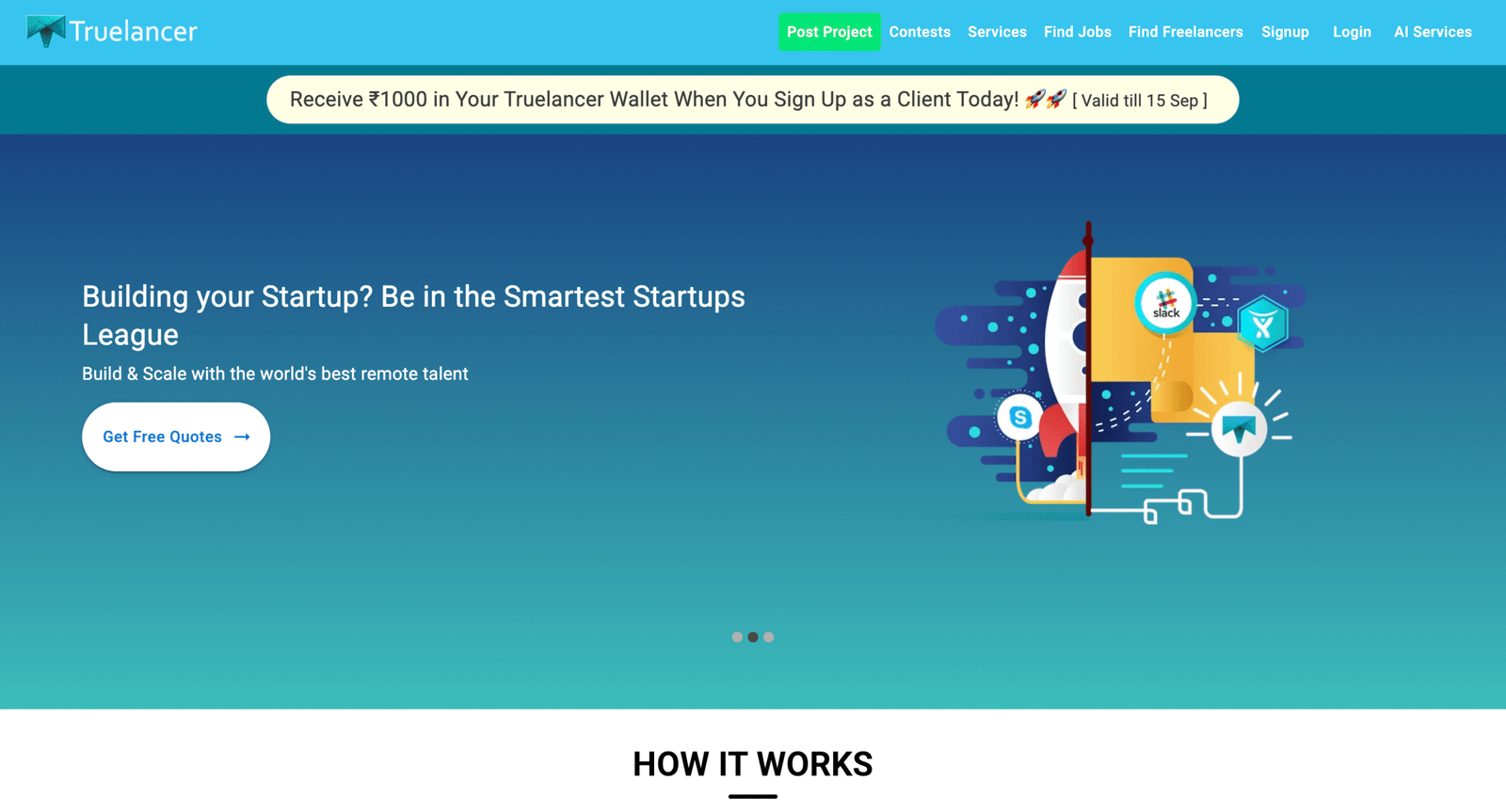
Truelancer has a visible freelancer base in Pakistan and is another option for people who want both regional and international work.
The platform covers common freelance areas such as development, design, writing, marketing and business services, with clients able to post work and receive proposals from freelancers.
It may feel a little more accessible than some of the biggest international marketplaces, especially for someone still building experience.
Like most open bidding platforms, though, broad categories can become competitive quickly. The clearer you are about what you do, the easier it becomes to avoid getting pulled into constant price competition.
Truelancer currently maintains dedicated pages for freelancers in Pakistan, so there is clearly an active Pakistani talent presence on the platform.
Ureed
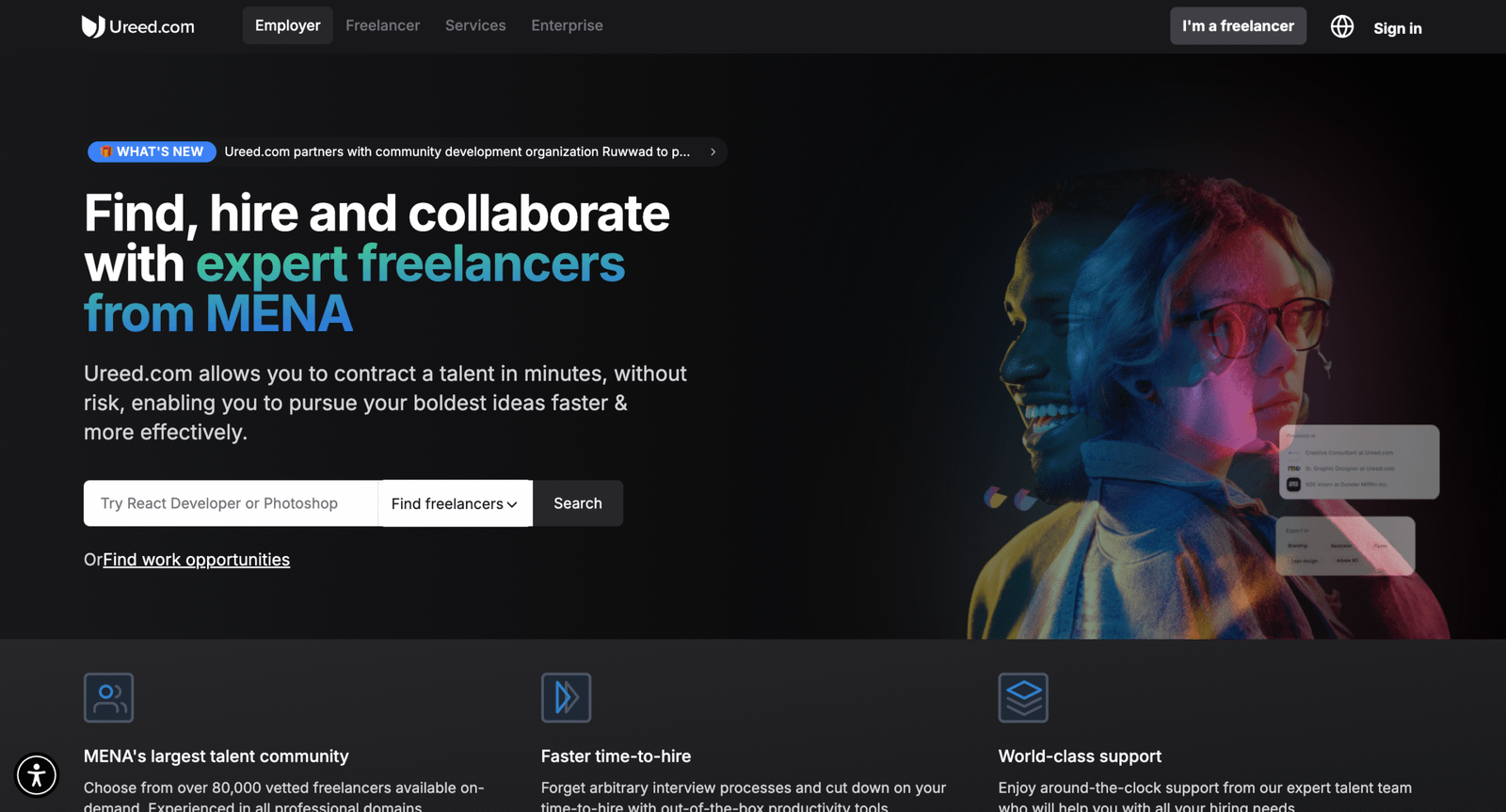
Ureed is more regionally relevant than many generic freelance lists make it seem.
The platform is built around the wider MENA market, which can be useful for Pakistani freelancers who want clients in places such as the UAE, Saudi Arabia, Qatar and other Gulf markets.
That is particularly interesting for writers, translators, marketers, designers and other professionals whose work benefits from familiarity with regional businesses.
Pakistan already has strong professional links with Gulf markets, so looking west toward the Middle East can make just as much sense as looking only toward the US or UK.
For someone comfortable working with international clients but interested in a closer regional market, Ureed is worth testing alongside the bigger global platforms.
Guru
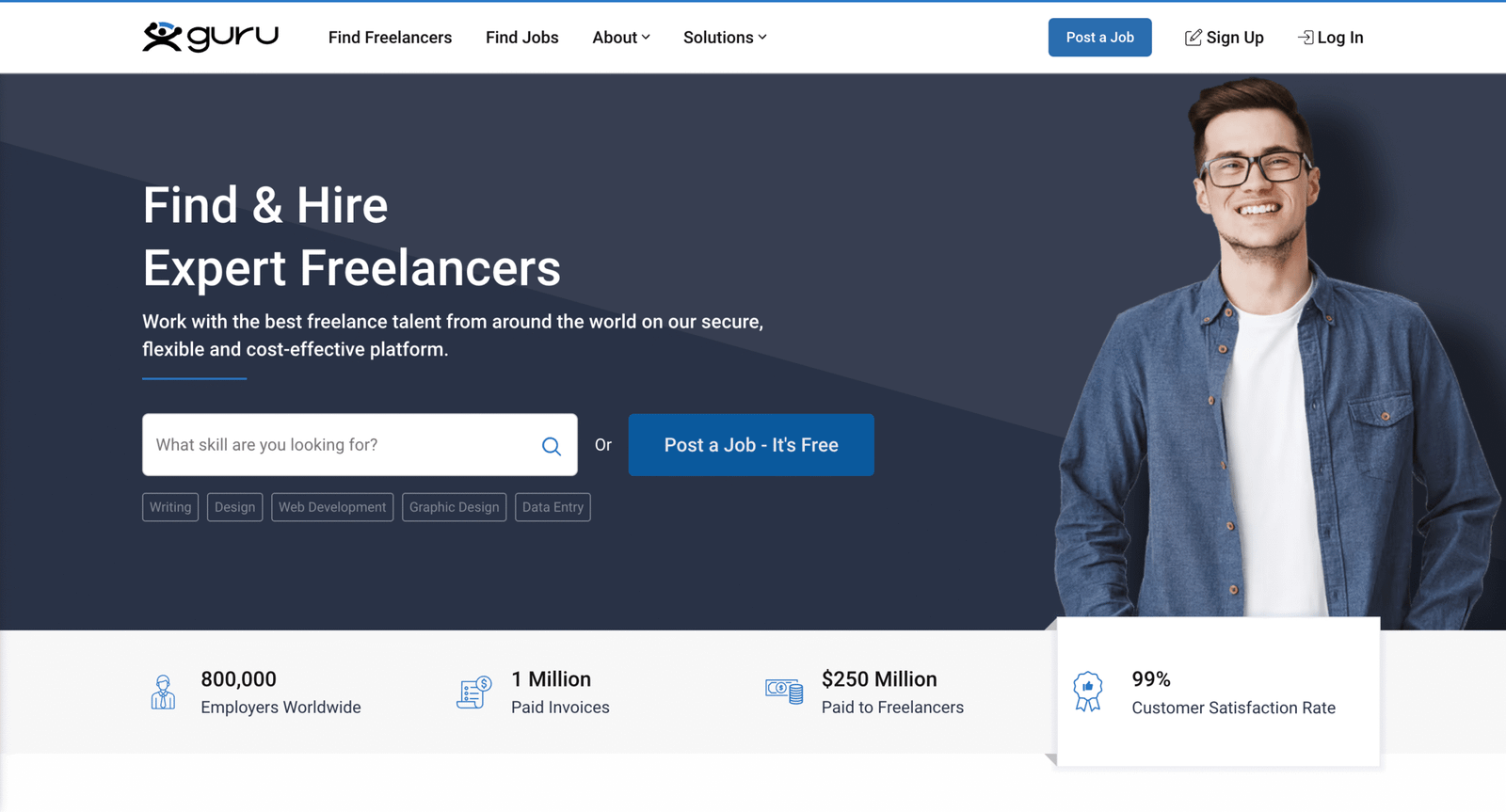
Guru is one of the older freelance marketplaces and still covers a broad mix of work across development, design, writing, marketing, administration and business services.
Its project volume is smaller than Upwork or Fiverr, but smaller does not automatically mean useless.
Sometimes a less crowded platform works better in a particular niche because there are fewer people chasing every listing.
I would not build an entire freelance strategy around Guru without first checking what is actually available in your field, but it can be a useful secondary channel once your main profiles are already in place.
LinkedIn is not a traditional freelance marketplace, but it becomes more important as your experience grows.
A lot of good freelance work never appears on an open bidding platform.
A startup needs help with a product. An overseas company needs a developer for three months. An agency needs someone to take over extra client work. A former colleague moves to another company and needs somebody with a skill they already know you have.
Those projects often start through conversations.
For Pakistani freelancers trying to work internationally, LinkedIn is useful because the client can see your professional background, previous roles, portfolio and network in one place.
It takes more time than sending proposals to open projects, but direct client relationships can become much stronger over the long term.

Rozee.pk
Rozee.pk is primarily a Pakistani job portal rather than a freelance marketplace.
That distinction is important.
You are not generally using Rozee in the same way you would use Upwork, with bidding, milestones and payments handled through the platform. It is more useful for finding contract, remote, part-time and freelance opportunities posted directly by companies.
There are active freelance listings on the site, including remote video editing, translation and contract work, alongside its much larger traditional employment market.
That makes Rozee useful for freelancers who prefer a more employment-like relationship or want longer assignments with Pakistani or overseas companies instead of small one-off gigs.

Mustakbil
Mustakbil belongs in a similar category.
It is a Pakistani job platform rather than a classic freelance marketplace, but contract and remote roles can still be useful to independent professionals.
This is especially true if you work in an area where companies prefer hiring someone for a defined period rather than buying small tasks through a marketplace.
A developer, marketer, customer support professional or salesperson looking for ongoing remote work may find job portals more useful than someone selling logo design or voiceovers.
The point is not that job boards are better. They simply solve a different problem.

DigiSkills.pk
DigiSkills is not a place where clients post freelance projects, but it is important enough in Pakistan that leaving it out would make this guide less useful.
It is a Government of Pakistan initiative led through the Ministry of IT & Telecom and Ignite, with Virtual University of Pakistan executing the programme. The training is free and designed specifically around skills relevant to online work and freelancing.
The programme currently offers courses across freelancing, digital marketing, graphic design, SEO, WordPress, virtual assistance, data analytics, AI using Python, UI/UX, full-stack development and several other areas.
Its current freelancing course also covers practical areas such as Upwork, Fiverr, LinkedIn, direct client outreach, proposals, pricing, payments and Pakistani tax and legal requirements.
If you are completely new and still trying to work out what skill you can realistically sell, this may be more useful than opening five marketplace accounts immediately.

Freelance marketplaces and job portals are not the same thing
This difference matters quite a lot in Pakistan.
On Upwork, Fiverr or Freelancer.com, you are usually entering a marketplace built around client projects. The platform may handle proposals, payments, reviews or other parts of the commercial relationship.
On Rozee or Mustakbil, you are usually discovering a company that needs someone and then applying more like you would for a contract or remote role.
LinkedIn sits somewhere else again because a lot of the value comes from professional relationships rather than a formal marketplace.
There is no reason you need to choose only one model.
A freelancer may use Fiverr for small packaged services, Upwork for larger projects, LinkedIn for direct clients and Rozee when looking for a longer remote contract.
The right mix depends on the way you actually want to work.
International clients or Pakistani clients?
A lot of people starting freelancing in Pakistan immediately focus on overseas clients.
That makes sense because online freelancing gives you access to a much larger market, and international businesses are often actively looking for remote digital talent.
But local clients are not automatically less valuable.
Working with Pakistani businesses can be easier when you are still learning how to scope projects, communicate with clients and manage deadlines. You already understand much of the local business context, and the relationship may be simpler to start.
International work can then expand the range of clients you can reach.
Most experienced freelancers do not need to choose one forever. They may have a Pakistani client, a UAE client and a US client at the same time.
The client being overseas is not what makes a project good. A clear scope, reasonable budget, good communication and reliable payment matter much more.
Payments matter more in Pakistan than most global freelance guides admit
Finding a client is only half the problem.
You also need to know how you are getting paid.
Different platforms support different withdrawal methods, and payment availability can vary by country. Pakistani freelancers often use direct bank transfers or international payment services supported by the particular platform they are working through.
Before accepting a project, understand what the platform charges, how currency conversion works, how long withdrawals normally take and whether there are any minimum withdrawal requirements.
The amount a client pays and the amount that finally reaches your bank account are not always the same.
It is worth understanding that before you set your rates rather than discovering it after the work is finished.
Keep records from the beginning
Once freelance income becomes regular, treat it like a business.
Keep records of payments, platform fees, bank receipts and relevant expenses rather than trying to rebuild everything months later.
Pakistan’s tax and banking requirements can change, and your own obligations depend on your income and setup, so I would not rely on a random social media post telling you whether you need to register, file or declare something.
DigiSkills’ current freelancing curriculum now includes Pakistani tax and legal obligations, which is a good indication that this side of freelancing has become important enough that beginners should understand it early.
For your own situation, current FBR guidance or a qualified local professional is the safer source.
Which freelancing website should you start with in Pakistan?
Start with what you can actually sell.
If your service is easy to package, Fiverr can make sense. If you are comfortable writing proposals and want international clients, Upwork is an obvious option. Freelancer.com and Truelancer give you more project marketplaces to test, while Ureed can be interesting if the Gulf and wider Middle East are important markets for you.
If you already have professional experience, LinkedIn should probably be part of your strategy as well.
Rozee and Mustakbil are more useful when what you want looks closer to contract or remote employment than a stream of individual client projects.
If you do not yet have a strong enough skill or portfolio to compete for work, spend some time on that before creating ten marketplace profiles. DigiSkills can be useful at that stage because it is built specifically around helping Pakistanis develop digital and freelance skills.
Final thoughts
There is no single best freelancing website in Pakistan.
Upwork and Fiverr give you access to huge international markets. Truelancer and Freelancer.com offer more traditional project bidding. Ureed can connect you with a closer regional market. LinkedIn becomes useful when professional relationships start generating direct work, while Rozee and Mustakbil can help if you are looking for longer remote or contract roles.
The platform matters, but it does not replace having a useful skill, a clear profile and work that proves you can deliver.
Choose two or three places that fit what you actually do, build them properly, and learn how clients behave there before adding more.
If you are still getting familiar with independent work itself, our guide to what freelancing is and how it actually works covers the basics. You can also look at our report on the global rise of freelancing for a wider view of how independent work is changing across markets.
And if you want to compare the bigger global options in one place, we’ve put together a separate guide to the best freelance websites to find work in 2026.