Freelancing in India has moved from being a backup career option to a primary choice for millions of professionals. With one of the largest talent pools in the world, India has become a global hub for remote work, digital services, and on-demand expertise. Startups, SMEs, and even Fortune 500 companies now turn to Indian freelancers for everything from software development and design to content creation, marketing, and finance.
By 2025, the freelancing ecosystem in India is thriving, supported by a mix of international marketplaces and homegrown platforms. Global giants like Upwork, Fiverr, and Freelancer.com continue to dominate, but local players such as Flexiple, Truelancer, and WorknHire are creating opportunities tailored to Indian professionals. Whether you are a beginner looking for small gigs or an experienced consultant aiming for long-term contracts, choosing the right platform has a direct impact on your income, visibility, and career growth.
This guide breaks down the leading freelancing websites available in India in 2025, explaining how they work, their advantages, and which professionals benefit the most.

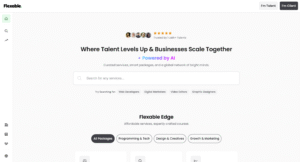
Flexable
Flexable is one of the newer entrants in the freelancing market, but it has quickly positioned itself as a platform worth watching in 2025. What sets it apart is its blend of opportunities for both independent freelancers and agencies. Instead of just offering small, transactional gigs, Flexable leans into larger, collaborative projects where solo talent can work alongside teams. This gives freelancers room to scale beyond one-off jobs and move into more consistent, higher-value contracts. While its reach is strongest in the United States and India, it is steadily building momentum with a community of over 1 Lakh freelancers and 5,000 agencies.
Highlights and Key Features
- A curated onboarding process ensures only vetted freelancers and serious clients join the platform, which improves quality on both ends.
- The project flow is simple: freelancers set up detailed profiles, clients post projects, and proposals are submitted with timelines and rates.
- Once hired, projects can be tracked through Flexable’s built-in tools, which cover communication, milestone tracking, and payment.
- An AI-driven recommendation system helps freelancers find relevant projects faster instead of wading through irrelevant listings.
- Payments are secure and tied to milestones, with a transparent rating system that helps build credibility over time.
Pros
- Strong early traction in key markets like the US and India.
- Supports both freelancers and agencies, making it versatile for different scales of work.
- Curated onboarding reduces spam and low-quality job posts.
- Built-in project management tools simplify collaboration and delivery.
Cons
- Limited brand recognition compared to established platforms.
- Smaller overall client base, which may limit specialized opportunities.
- Less effective for freelancers outside its core markets, since global expansion is still in progress.
Truelancer
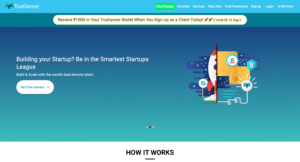
Truelancer is one of India’s homegrown freelancing marketplaces designed to connect businesses with skilled professionals at affordable rates. It caters to a wide range of industries including IT, design, content writing, digital marketing, and data entry. What makes Truelancer appealing to Indian freelancers is its strong presence in local markets, which means freelancers can find both domestic and international clients. By 2025, Truelancer has become a go-to platform for beginners looking to start their freelance journey, as well as small businesses seeking cost-effective solutions.
Highlights and Key Features
-
A simple bidding system where freelancers submit proposals for client projects.
-
Secure payment system with milestone-based transactions.
-
Membership tiers, including a free basic plan and paid plans for more bids and visibility.
-
Mobile app support for managing projects on the go.
-
Transparent ratings and reviews for credibility.
Pros
-
Strong focus on the Indian freelancing community with localized opportunities.
-
Free plan available for newcomers.
-
Wide range of job categories, from tech to creative work.
-
Mobile-friendly platform for quick access.
Cons
-
Heavy competition in popular categories, which can drive down rates.
-
Premium plans are often necessary to stand out and win projects.
-
Lower-paying jobs are common compared to international platforms like Upwork or Toptal.
WorknHire
WorknHire is a freelancing platform built specifically for the Indian market. It connects businesses with local freelancers in categories such as web development, design, content writing, marketing, and customer support. Unlike global platforms that often feel overwhelming, WorknHire focuses on simplicity and accessibility for both clients and freelancers within India. By 2025, it continues to serve as a practical starting point for freelancers looking to build portfolios and land short-term projects without the steep learning curve of larger marketplaces.
Highlights and Key Features
-
Straightforward project bidding system with no complex requirements.
-
Emphasis on connecting Indian clients with Indian freelancers.
-
Escrow payment system for secure transactions.
-
Multiple job categories including IT, design, writing, sales, and admin support.
-
Clear review and rating mechanism for building trust.
Pros
-
Easy entry point for beginners in the Indian freelancing space.
-
Focus on local projects increases chances of finding culturally relevant work.
-
Transparent payment process via escrow.
-
Less crowded compared to international platforms, making it easier to get noticed.
Cons
-
Limited scale compared to larger global platforms.
-
Lower average pay rates since many projects are budget-focused.
-
Smaller client base means fewer opportunities for highly specialized skills.

Digital Scholar Marketplace
Description
Digital Scholar Marketplace is a relatively new entrant in India’s freelancing ecosystem, built by the team behind the popular Digital Scholar training academy. Unlike open bidding platforms, it primarily focuses on connecting businesses with freelancers trained in digital marketing, content creation, design, and related fields. By 2025, it has gained traction among startups and SMEs that prefer hiring certified professionals with verified skills rather than sifting through unvetted profiles. For freelancers, especially those who have gone through Digital Scholar’s training programs, the marketplace offers a direct pipeline to real projects.
Highlights and Key Features
-
Curated platform emphasizing digital marketing, SEO, content, and design services.
-
Verified freelancer profiles, often backed by training or certifications.
-
Direct client-to-freelancer matching instead of crowded bidding wars.
-
Payment protection to ensure secure transactions.
-
Focus on Indian startups and small businesses seeking specialized talent.
Pros
-
Ideal for freelancers with digital marketing and creative skills.
-
Curated environment reduces spam and irrelevant job postings.
-
Certification and training background increase freelancer credibility.
-
Growing demand from Indian businesses makes opportunities more relevant.
Cons
-
Limited scope outside digital and creative industries.
-
Smaller marketplace compared to global giants, which means fewer total projects.
-
Still in growth phase, so international exposure is limited.
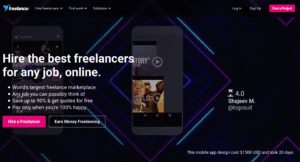
Freelancer.com is one of the most established global marketplaces, hosting millions of freelancers and clients across industries. Its defining feature is flexibility: freelancers can either bid on traditional projects or enter contests where clients choose a winning submission. This dual approach appeals to a wide range of professionals, from developers and marketers to designers looking to showcase their skills. While the platform’s size creates plenty of opportunities, it also leads to tough competition and a noticeable number of low-budget job postings. For freelancers who are persistent and strategic, it can still be a strong source of work.
Highlights and Key Features
- Project bidding system alongside creative contests.
- Escrow-secured payments to protect both sides.
- Freelancer Rewards and Preferred Freelancer status to boost visibility.
- Progress tracking tools for managing deliverables.
- Free membership with limited bids, plus paid plans for added exposure.
Pros
- Large global client base across diverse industries.
- Option to earn through both contests and project bids.
- Escrow payment system ensures financial protection.
- Membership tiers give flexibility for different career stages.
Cons
- Intense competition, often driving rates down.
- Free plan limits the number of bids available.
- High volume of low-budget projects makes it harder to find premium work.
Guru.com
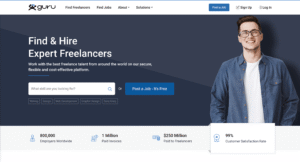
Guru is a long-standing freelancing platform that emphasizes flexibility and affordability. It caters to a broad range of professionals, including developers, writers, designers, and marketers, while keeping service fees lower than many competitors. One of its standout features is SafePay, which secures funds in escrow until work is approved. The platform allows freelancers to define how they want to be paid, whether hourly, per milestone, or by project, which makes it appealing for different working styles. Although Guru does not have the same volume of opportunities as giants like Upwork, it remains a dependable option for freelancers seeking consistent work with fewer overhead costs.
Highlights and Key Features
- Multiple payment structures, including hourly, milestone-based, and recurring.
- SafePay escrow system ensures secure transactions.
- WorkRoom collaboration space for managing communication and files.
- Competitive commission rates ranging from 5 to 9 percent.
- Visibility tools to help freelancers showcase skills and attract clients.
Pros
- Lower fees compared to most major freelancing platforms.
- Flexible payment options suit different project types.
- Built-in collaboration features make project management simple.
- Secure escrow system gives peace of mind for both parties.
Cons
- Smaller project volume reduces variety and scale of opportunities.
- User interface feels dated compared to newer platforms.
- Less marketing presence makes it harder to attract top-tier clients.
Upwork
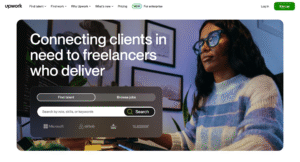
Upwork is the largest and most established freelancing marketplace in 2025. It connects millions of professionals with clients across industries like tech, design, writing, and marketing. For many freelancers, Upwork is the entry point into the industry because of its global reach and volume of opportunities. Unlike niche platforms, it caters to both quick, one-off tasks and long-term contracts, making it flexible for different stages of a freelancer’s career. However, the size of the marketplace comes with heavy competition, and standing out requires a polished profile and a clear strategy.
Highlights and Key Features
- A wide range of categories, from software development to creative services.
- AI-driven job matching that recommends projects based on skills and past work.
- Escrow-protected payments that safeguard both freelancers and clients.
- Collaboration tools, including messaging, time tracking, and file sharing, built directly into the platform.
- Transparent client histories that let freelancers evaluate who they are working with.
Pros
- Enormous variety of jobs, from entry-level gigs to contracts with Fortune 500 companies.
- Global reach means freelancers can build an international client base.
- Flexible project types, including hourly and milestone-based work.
- Trusted escrow system provides financial security.
Cons
- High competition, especially for beginners trying to land their first projects.
- Service fees start at 20 percent for the first $500 earned with a client, decreasing only with larger contracts.
- Proposals require “Connects,” which cost money and add another barrier for new users.
Fiverr
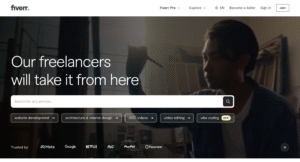
Fiverr has built its reputation on simplicity. Instead of bidding on projects, freelancers create pre-packaged services called “gigs” that clients can purchase directly. This makes it one of the easiest platforms for new freelancers to start with, since the process is closer to running an online store than competing in a crowded bidding environment. Fiverr is especially popular among creatives like writers, designers, video editors, and marketers who can define clear deliverables. In 2025, the platform has grown more sophisticated with Fiverr Neo, an AI-powered matching system that helps freelancers connect with the right clients faster.
Highlights and Key Features
- Gig-based pricing structure with tiered packages for different budgets and scopes.
- Fiverr Neo, an AI assistant, improves client-freelancer matching.
- Messaging system for direct communication between buyers and sellers.
- Built-in portfolio tools for showcasing past work.
- Seller levels that increase visibility as freelancers build a track record.
Pros
- Easy setup makes it beginner-friendly.
- Transparent, upfront pricing appeals to clients.
- Ideal for creative professionals offering repeatable services.
- AI matching reduces the time spent searching for relevant projects.
Cons
- Commission is 20 percent across all earnings, which can feel steep.
- Competition is largely price-driven, making it harder to charge premium rates without strong reviews.
- Heavy reliance on ratings and reviews for visibility means slow growth for new sellers.
PeoplePerHour
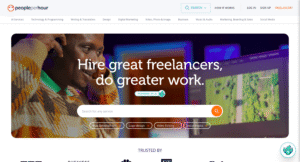
PeoplePerHour is a UK-based freelancing platform that has built a strong presence across English-speaking markets, especially in Europe. It is popular among professionals in design, tech, and marketing, offering both gig-style services and traditional project-based work. Freelancers can post fixed-price packages, known as “Hourlies,” or submit proposals for client projects. This hybrid approach makes it flexible for those who want predictable income alongside more custom engagements. While the platform attracts serious clients, it also has a reputation for being budget-conscious, which can limit earning potential for premium freelancers.
Highlights and Key Features
- Combination of Hourlies (pre-set services) and project bidding.
- Escrow-protected payments to secure transactions.
- Transparent freelancer rankings and client reviews.
- Built-in project management tools to support collaboration.
- Hourly rates often range from 30 to 100 dollars or more, depending on skills and demand.
Pros
- Strong reach in the UK and EU markets.
- Flexibility to sell packaged services or bid on custom projects.
- Reliable payment protection through escrow.
- Visibility tools and rankings help freelancers stand out.
Cons
- Customer support can be slow to respond.
- Many clients focus on lower budgets, reducing premium opportunities.
- Limited presence outside English-speaking markets.
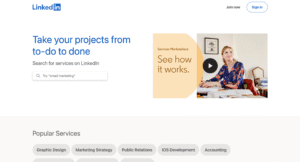
LinkedIn, already the world’s largest professional networking platform, has expanded into freelancing through its Services Marketplace. Instead of functioning as a full freelancing platform, it integrates directly with a freelancer’s LinkedIn profile, allowing them to list services and attract clients organically. Freelancers benefit from the credibility of their existing professional network and visibility through LinkedIn’s search and job board features. While it lacks built-in tools for project management or payments, LinkedIn is powerful for freelancers who are skilled at networking and building direct client relationships.
Highlights and Key Features
- Service listings tied directly to freelancer profiles.
- Job board integration for discovering freelance opportunities.
- Professional credibility through skill endorsements and recommendations.
- Content sharing tools to increase visibility and attract inbound leads.
- Optional premium plans, ranging from 30 to 100 dollars per month, for greater profile exposure.
Pros
- High trust and professional credibility compared to traditional platforms.
- Networking opportunities make it easier to build long-term client relationships.
- Free to use at the basic level.
- Great for freelancers who actively market themselves through posts and engagement.
Cons
- No in-platform payment processing, so freelancers must manage billing independently.
- Lacks project tracking and collaboration tools.
- Still a developing marketplace, with limited traction compared to dedicated freelancing platforms.
Toptal
Toptal positions itself as an exclusive network that connects the top three percent of freelancers with premium clients. It is best known in fields like software development, design, finance, and project management. Unlike open marketplaces, Toptal uses a rigorous screening process that includes language tests, technical evaluations, and live interviews. Only a small fraction of applicants are accepted, which creates an elite environment where clients know they are hiring proven professionals. For experienced freelancers, Toptal offers access to long-term, high-paying projects with companies ranging from startups to global enterprises.
Highlights and Key Features
- Extensive vetting process that ensures high standards.
- Client matches are made quickly, often within 48 hours of acceptance.
- Secure payment system with hourly rates typically between 100 and 250 dollars.
- Dedicated project management tools to streamline collaboration.
- Access to premium clients, including established brands and funded startups.
Pros
- High-value projects with consistent, well-paying work.
- Strong credibility due to selective entry standards.
- Faster client matching compared to open bidding platforms.
- Long-term contracts are common, offering stability.
Cons
- Very selective application process excludes most freelancers.
- Focused heavily on technical and design roles, with limited opportunities in other categories.
- Not suitable for beginners or those building early-stage portfolios.

99designs
99designs is a dedicated marketplace for graphic designers, specializing in logos, websites, and branding projects. It has built a reputation as one of the most established platforms for creative professionals. Like Designhill, it uses a contest-based model where clients post briefs and multiple designers submit their work. Winners are paid, while others gain exposure and portfolio pieces. Beyond contests, 99designs also offers direct project opportunities, giving designers a way to secure predictable, one-on-one work. Its curated approach and long-standing presence make it a trusted space for both clients and creatives.
Highlights and Key Features
- Contest model where designers compete for client projects.
- Option for direct hire projects in addition to contests.
- Secure payment system with escrow protection.
- Community-driven feedback and collaboration with clients.
- Transparent pricing and curated designer matching available.
Pros
- Established platform with strong brand recognition.
- High-quality client base looking specifically for design services.
- Opportunities to build portfolios through both contests and projects.
- Flexible work options between contests and direct hires.
Cons
- High competition in contests makes earnings inconsistent.
- Fees between 10 and 20 percent reduce overall payouts.
- Only serves the design industry, limiting broader opportunities.

Sulekha
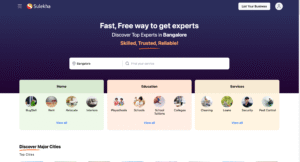
Sulekha is one of India’s largest online service marketplaces that connects professionals with local customers. While it is not a freelancing marketplace in the traditional global sense like Upwork or Fiverr, it has carved a strong niche in India by helping freelancers and small businesses find clients for services ranging from web design, content writing, and digital marketing to home services, education, and IT support. By 2025, Sulekha continues to serve as a bridge between freelancers and local businesses that prefer working with nearby professionals instead of outsourcing internationally.
Highlights and Key Features
-
A service directory model that allows professionals to list their skills and services.
-
AI-driven lead-matching system that connects freelancers with relevant client requests.
-
Covers a wide variety of categories, from creative and tech services to local business needs.
-
Mobile app and localized search for easier client outreach.
-
Strong reputation in the Indian domestic market with millions of active users.
Pros
-
Excellent for freelancers who want consistent local projects.
-
Wide range of categories beyond traditional freelancing niches.
-
Strong brand recognition and trust among Indian clients.
-
Lead-based model gives freelancers direct client connections.
Cons
-
Works more like a service directory than a global freelancing marketplace.
-
High competition in popular categories can make visibility a challenge.
-
Many opportunities are hyper-local, which may not appeal to freelancers seeking remote international work.
Justdial
Justdial is primarily known as India’s leading local search and discovery platform, but over the years it has also become a valuable channel for freelancers and independent service providers to find clients. Instead of operating like a traditional freelancing marketplace, Justdial functions as a business directory where freelancers can list their services and get discovered by clients in their city or region. In 2025, it continues to be a go-to platform for professionals in fields like digital marketing, IT services, content creation, photography, tutoring, and consulting who want to attract direct leads without going through bidding processes.
Highlights and Key Features
-
Wide service directory with millions of monthly users across India.
-
Location-based search that connects freelancers with nearby clients.
-
Verified business listings to build credibility and trust.
-
Client reviews and ratings improve freelancer visibility.
-
Mobile-friendly platform and app that drive high local engagement.
Pros
-
Strong domestic reach with high visibility for listed services.
-
No need for bidding; clients directly reach out to freelancers.
-
Suitable for both individuals and small agencies.
-
Trusted brand name that boosts freelancer credibility.
Cons
-
Works best for location-based services, limiting reach for remote-only freelancers.
-
Competition is high in crowded categories like design and digital marketing.
-
Paid listing options may be required to achieve consistent visibility.

Quikr Jobs
Quikr started as a classifieds platform in India but has steadily expanded into multiple verticals, including services and freelancing opportunities. By 2025, it remains a practical option for freelancers who want to tap into both local and remote work requests without the steep fees associated with international platforms. Freelancers across categories like IT, content writing, graphic design, tutoring, repair services, and marketing use Quikr to connect with individuals and small businesses. Its informal and wide-reaching marketplace makes it accessible for beginners and side hustlers looking for quick projects.
Highlights and Key Features
-
Service listing options for freelancers to promote their skills.
-
Categories covering both professional freelancing and local on-demand services.
-
Direct client messaging and lead generation features.
-
Verified badges to enhance trustworthiness.
-
Lower entry barriers compared to global freelancing platforms.
Pros
-
Easy to list services and start attracting leads.
-
Wide coverage across India with strong brand recognition.
-
Good for freelancers seeking local, quick-turnaround projects.
-
No complex bidding process or steep learning curve.
Cons
-
Works more like a classifieds system than a structured freelancing marketplace.
-
Many opportunities are low-paying or one-off tasks.
-
Higher competition in popular categories due to low entry barriers.

Final Takeaway
India’s freelance ecosystem in 2025 is vibrant, blending local and global opportunities. Whether you’re a marketer joining a niche marketplace, a developer chasing international contracts, or a designer targeting local clients, these platforms empower you to build a thriving career. Choose one that aligns with your skills and ambitions to unlock India’s digital and local freelance potential.