
Graphic design freelancing is one of those markets where the platform matters a lot because designers are hired in very different ways.
Some clients want to browse portfolios until they find a style they like. Others post a project and compare proposals. Some want a logo or packaging design with a very clear brief, while others are looking for a designer who can stay involved with their brand for several months.
That means a portfolio platform, a design contest site and a general freelance marketplace are not really solving the same problem.
The useful question is not which design website is “best” overall. It is where the kind of clients you want are already looking for designers like you.

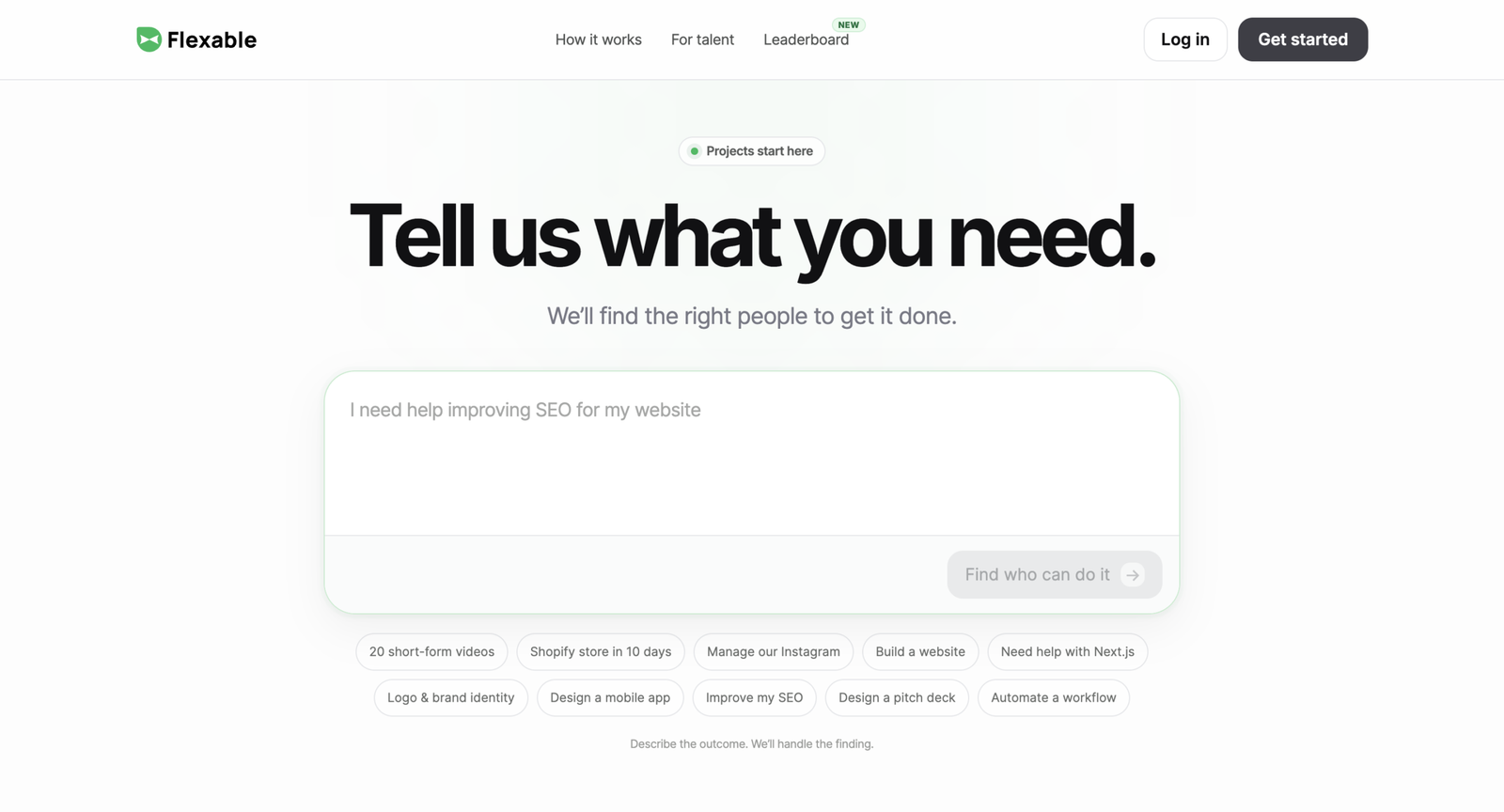
Flexable
Flexable starts with the project rather than asking clients to work through a huge directory of designer profiles.
A client explains what they need, including the scope, budget and timeline, and relevant freelancers or teams can then be matched around that work. For designers, that could mean branding, web design, product design, visual content, ecommerce creative or a larger project where design sits alongside development or marketing.
Your portfolio still matters a lot because design is visual. The difference is that the work starts with what the client is actually trying to get done rather than simply browsing an endless list of designers.
The platform can also work when a project needs more than one person. A designer may work alongside a developer, copywriter or marketer rather than having to cover the entire project alone.
That project-first model is part of how Flexable has evolved. We explain the current approach in FLXB 2.0: How Flexable Works Today.
99designs
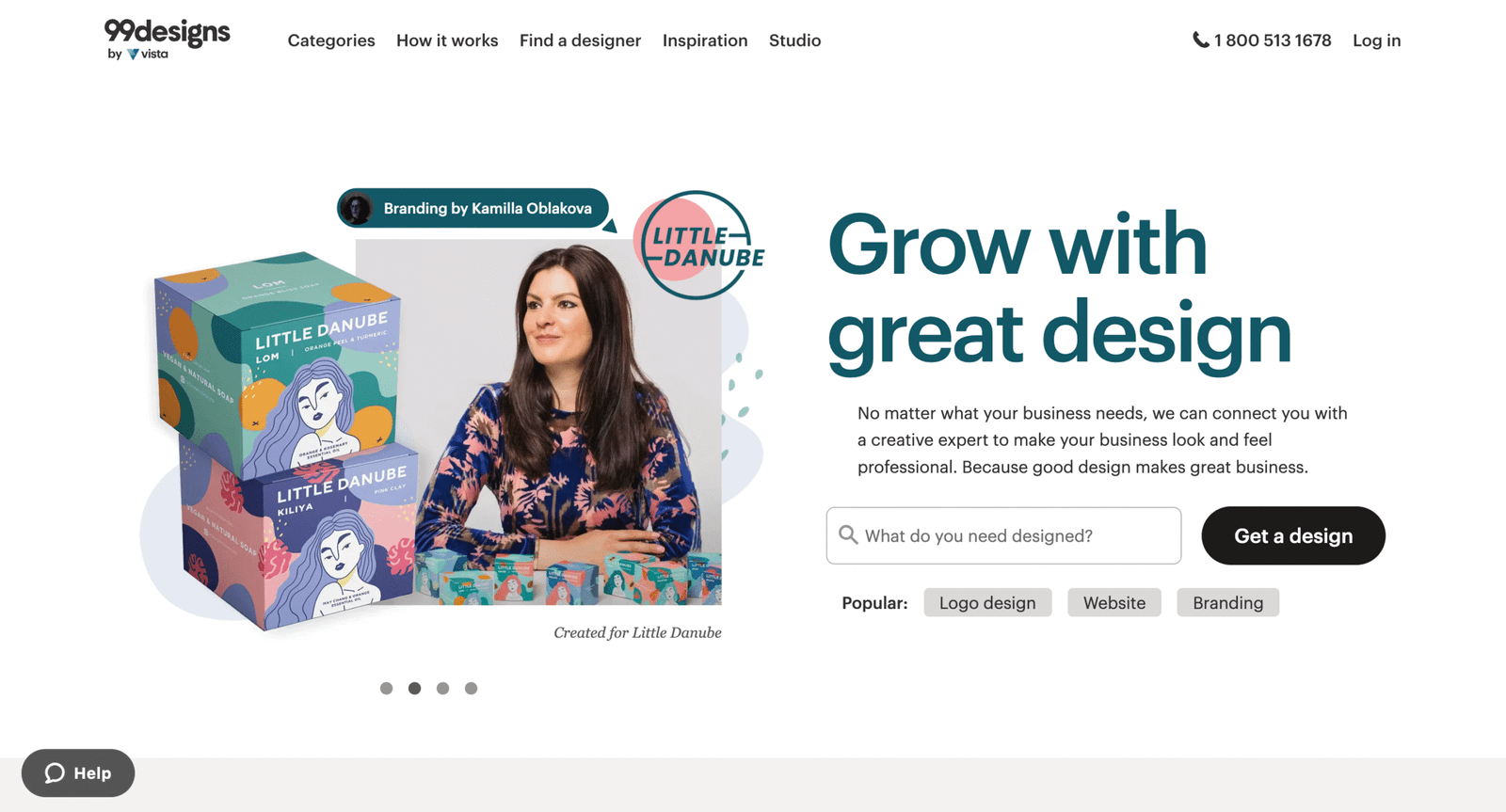
99designs is one of the few platforms on this list built specifically around design.
Clients can start with a design brief and either connect directly with designers or use a design contest where multiple designers submit concepts. The platform covers logos, branding, websites, packaging, illustration and a broad range of visual design work.
That makes it particularly relevant to graphic designers because the client is already there to buy design rather than sorting through hundreds of unrelated freelance categories.
The contest model is the part designers should think about carefully. It can give you exposure to clients and briefs, but you may also spend time producing concepts that are not selected.
Direct projects become more attractive once you have a stronger profile and client history because the relationship moves away from speculative work.
Dribbble
Dribbble is heavily portfolio-led.
Designers use it to show work, build visibility and connect with companies looking specifically for visual talent. Its current hiring marketplace lets clients browse freelance designers across graphic design, branding, UI/UX, web design, motion, illustration and related areas.
That makes Dribbble useful when style is a big part of why somebody hires you.
A client looking for a particular kind of landing page, visual identity or product interface can see examples before starting the conversation.
This works especially well for designers whose portfolio already has a clear visual direction. If your profile contains ten unrelated styles and no clear story about the work you want, simply uploading more shots will not necessarily bring better clients.

Behance
Behance is another portfolio-first platform and is especially useful for showing complete projects rather than isolated images.
A designer can publish a full branding case study, packaging system, editorial project, campaign or product-design process and give a potential client much more context than a single thumbnail provides.
That matters because good design work is often easier to understand when the client can see how the pieces fit together.
Behance is not a full freelance marketplace in the same sense as Upwork. You may get discovered through your work, but much of the actual client relationship can happen outside the platform.
For graphic designers, illustrators, art directors and other visual creatives, that can be perfectly fine because the portfolio is doing most of the early selling anyway.

Designhill
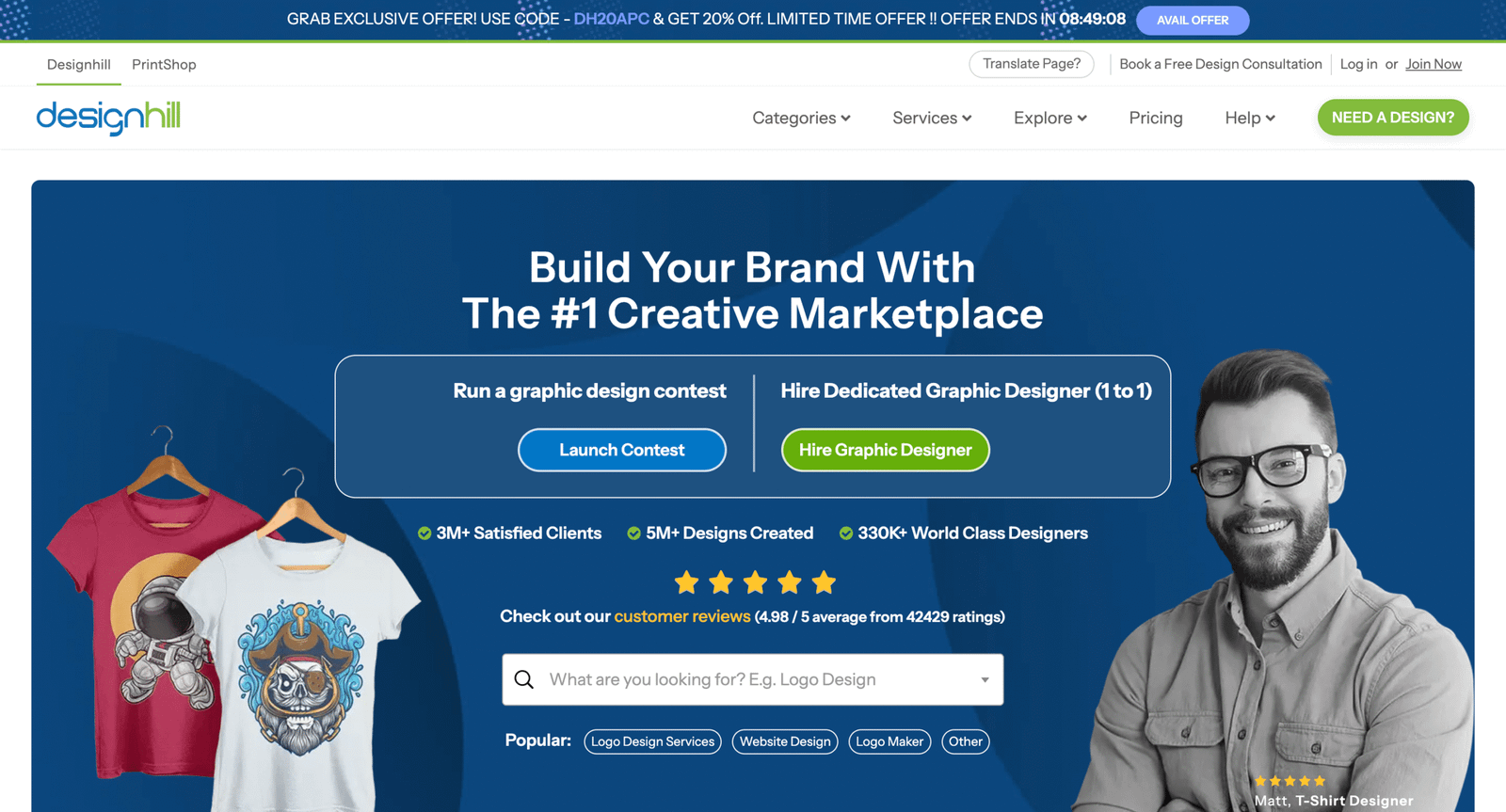
Designhill is much more design-specific than a general freelance marketplace.
It covers areas such as logo design, branding, illustration, packaging, websites and other visual work, with clients able to run contests or work more directly with designers.
The model will feel familiar if you have used 99designs.
For designers, the benefit is that the client is already searching for visual work. You do not have to compete with developers, writers and virtual assistants just to be seen.
The same caution around contests applies here too. They can be useful for gaining exposure, but time spent on unpaid concepts still has a cost.
Upwork
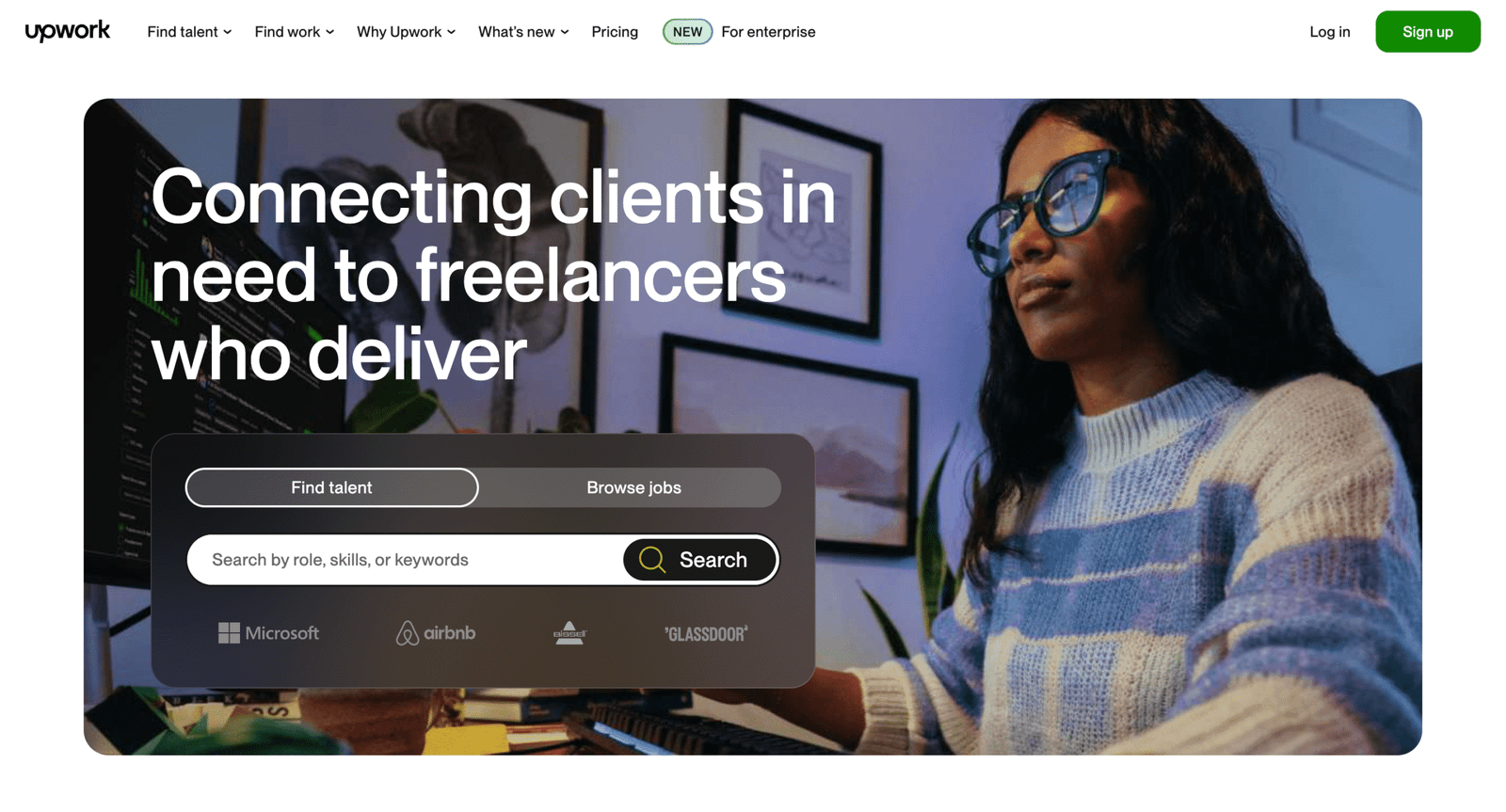
Upwork is broader, but there is a lot of design work on the platform.
Graphic design, branding, UI/UX, presentation design, ecommerce creative, social media graphics, illustration and web design all appear regularly.
The main difference from a portfolio platform is that you are often responding to a specific project rather than waiting for someone to discover your work.
That means the proposal matters alongside the portfolio.
A client asking for a B2B SaaS presentation does not need to see every poster you have ever designed. They need to see examples that make them confident you understand presentation design and their kind of business.
Designers who use Upwork well tend to treat every application as a relevance problem rather than a volume problem.
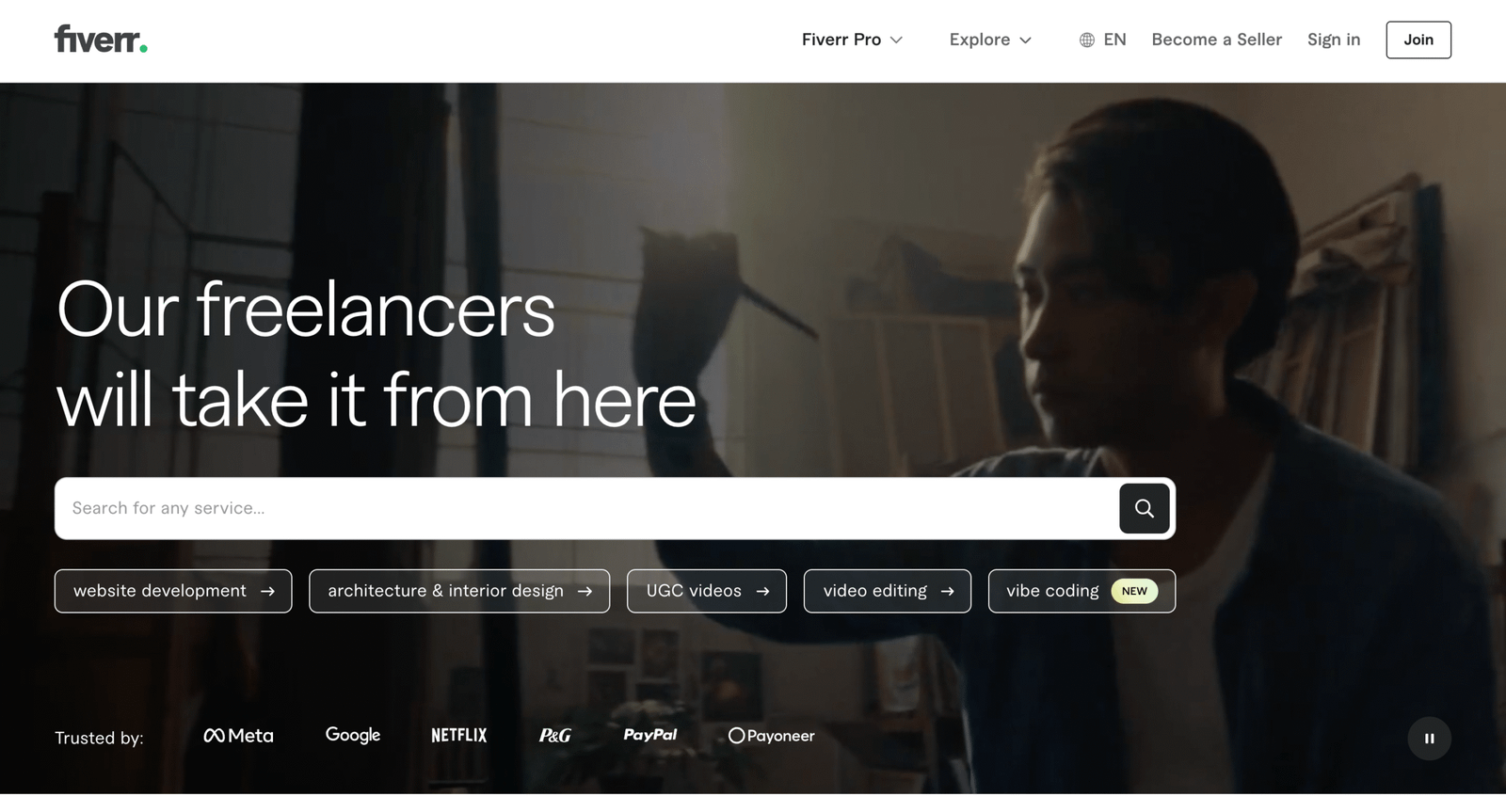
Fiverr
Fiverr works naturally for graphic design because many design services can be packaged clearly.
Logo design, social media graphics, thumbnails, packaging, presentation design, business cards, illustration and other visual deliverables can all be turned into offers a client understands before contacting you.
That makes Fiverr quite different from a project board.
You decide what you sell, how the packages differ and what the client gets.
The difficulty comes when a category becomes crowded. A designer offering “professional logo design” looks very similar to thousands of other listings.
A much clearer service such as packaging design for specialty food brands or pitch-deck design for SaaS startups gives the client a stronger reason to choose you beyond price.
Contra
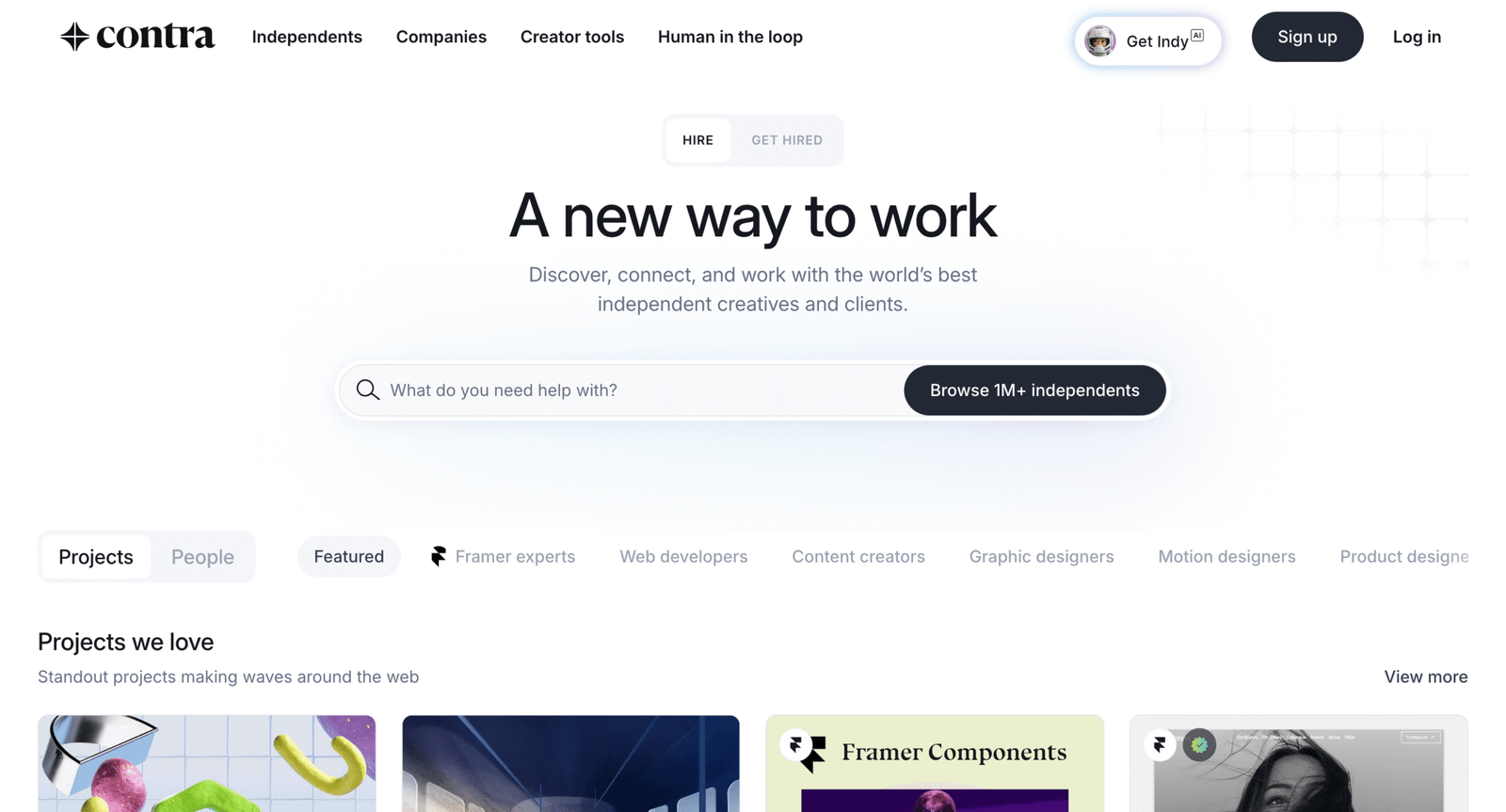
Contra works well for designers because it puts a lot of emphasis on professional presentation and previous work.
Your profile can act as a portfolio while you also show services, projects and the kind of independent work you want.
That suits graphic designers who want something between a traditional marketplace and their own standalone portfolio site.
It can also be useful if you do more than one closely related type of work. A brand designer might show identity systems, campaign work and web direction without reducing everything to one fixed-price gig.
For designers whose portfolio already does a lot of the selling, this kind of setup can feel more natural than bidding constantly.
Toptal
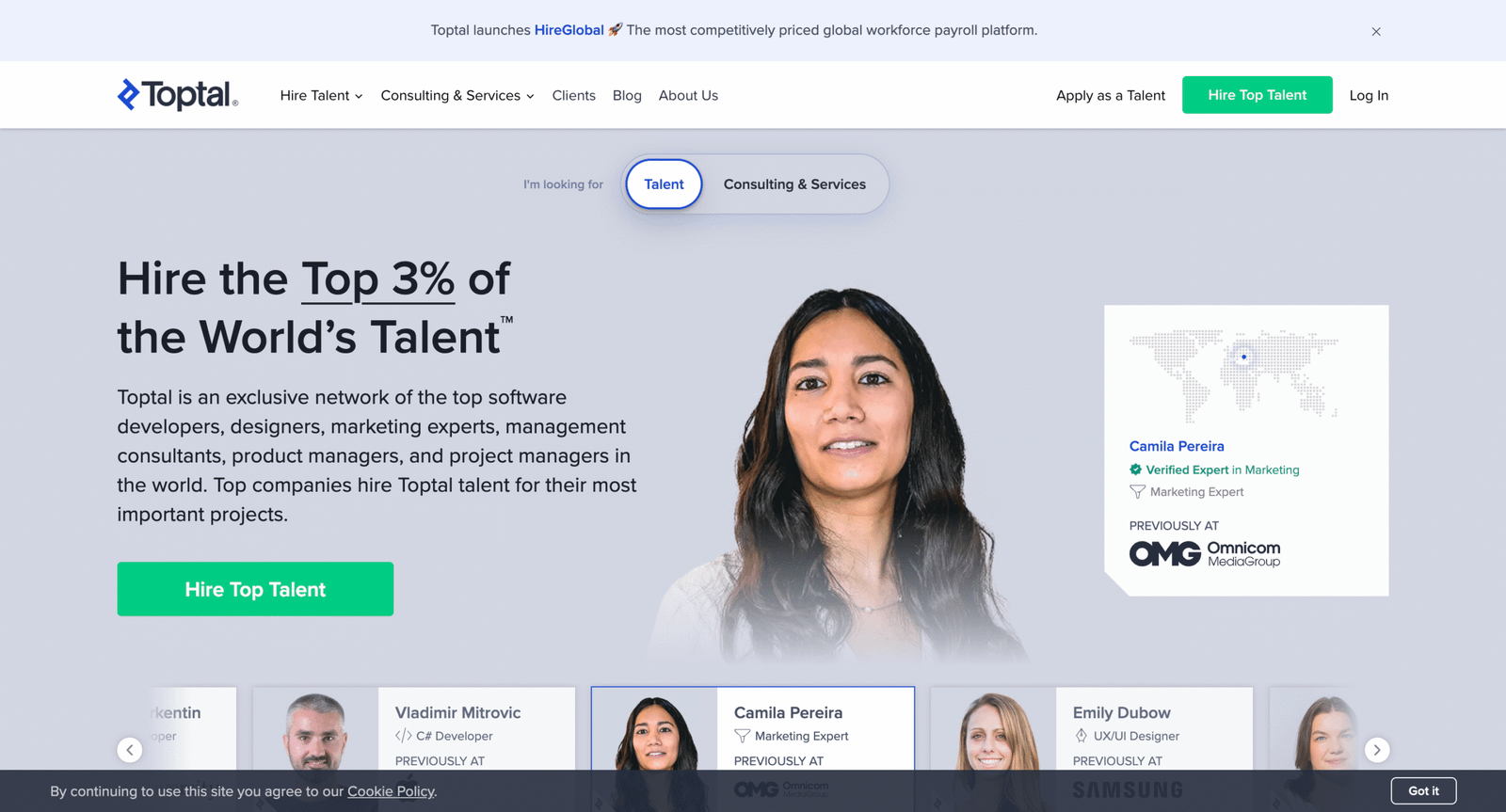
Toptal is more relevant to experienced designers.
Its design network leans heavily toward product design, UI/UX, interaction design and other professional digital design work rather than small graphic-design gigs.
The platform uses a screening process before people enter its talent network, so it is not the easiest place to start if you are still building your first portfolio.
For experienced product or digital designers who already have strong commercial work behind them, the more selective model can make sense.
I would not compare it directly with Fiverr or Designhill because the kind of client relationship and project size can be very different.
Working Not Working
Working Not Working has historically focused on creative professionals rather than general freelancing.
That includes designers, art directors, illustrators, photographers, copywriters and other people working in the creative industry.
The appeal is less about bidding for hundreds of public projects and more about being visible to companies and creative teams looking for established talent.
That can make it useful for designers who already have strong portfolios and professional experience, particularly if agency and brand work is the direction they want to move in.
It is much less useful if you are looking for small beginner projects simply to build experience.
Creativepool
Creativepool sits somewhere between a portfolio network, creative community and job platform.
It is focused specifically on creative industries, which means designers are surrounded by clients, agencies and other professionals already working in that world.
For graphic designers, art directors and branding specialists, that industry focus can be useful because the audience is already interested in creative work.
You can showcase projects and use the platform for visibility while also keeping an eye on freelance and professional opportunities.
Again, it is more useful when your body of work is doing the selling than when you are trying to compete through price.
ArtStation
ArtStation is much more specialised.
It is mainly relevant to concept artists, 3D artists, illustrators, game artists, character designers, environment artists and other creatives working around games, film and entertainment.
If you design logos for restaurants, ArtStation probably is not where you should spend your time.
If you create production art, 3D environments or character concepts, it is much closer to the clients and studios you actually care about.
This is a good example of why specialist platforms can sometimes be much more valuable than a marketplace with millions of unrelated users.

Creative Market
Creative Market is not really a freelance marketplace, but designers can still use it as part of an independent business.
The platform is built around selling design assets such as templates, graphics, fonts, illustrations and other digital products.
That creates a different kind of income from client work.
A designer may spend most of the week working with clients but also sell templates or other assets that can be purchased repeatedly.
It can also create discovery. Someone who finds and likes your design products may later look at your wider portfolio or contact you for custom work.
I would treat Creative Market as an additional income and visibility channel rather than somewhere to look for normal freelance projects.
Portfolio platforms and freelance marketplaces work differently
Designers probably feel this difference more than most freelancers.
On Upwork, the client may start with a project and then look at portfolios from the people who applied.
On Dribbble or Behance, the client may see your work first and only then decide they want to speak with you.
On Fiverr, the service itself is often the starting point.
On 99designs, the client may use a design brief and contest.
Those different paths matter because they change what you need to be good at.
A proposal-led marketplace rewards designers who can quickly show relevance to a particular brief.
A portfolio network rewards designers whose work is visually strong and easy to discover.
A service marketplace rewards designers who can package the work clearly.
Most designers eventually use more than one model.
What should a graphic design portfolio actually show?
The strongest portfolio is usually not the one with the most work.
It is the one that makes it easiest for the kind of client you want to imagine hiring you.
If you want branding projects, show strong branding work.
If you want packaging, do not make the client search through twelve mobile-app screens before they find one packaging project.
If you want to design for SaaS companies, showing work that understands software businesses will usually help more than a random collection of visually attractive projects.
Case studies can be useful too.
You do not need to turn every project into a twenty-minute documentary. A little context around the client, the problem, what you designed and why certain choices were made can make the work easier to understand.
The portfolio should answer the question the client already has: can this designer handle something like my project?
Should graphic designers specialise?
You do not have to become one type of designer forever.
But being specific about what you are especially good at makes it much easier for clients to remember you.
“Graphic designer” is a very broad description.
“Brand identity designer for hospitality businesses” tells a client much more.
So does “pitch deck designer for startups” or “packaging designer for consumer brands.”
You can still do other work. The point is not to artificially limit yourself.
It is to give the client an easy way to understand where you are particularly useful.
That becomes more important on crowded platforms where hundreds of designers may have similar software skills.
AI is changing design freelancing too
AI tools have made certain kinds of visual production much faster.
Moodboarding, early concepts, image generation, background work, resizing and other repetitive design tasks can all be accelerated.
That changes what clients are willing to pay for when the only value is producing a basic visual output.
It also makes judgment more important.
A client still needs someone who understands the brand, knows what visual direction fits, can spot poor output, creates consistency across a system and turns vague feedback into something useful.
Design has always involved more than knowing the software.
AI just makes that difference easier to see.
The broader effect of technology on independent work is something we also cover in our report on the global rise of freelancing.
Which design freelancing website should you start with?
Start with the kind of designer you are and how you prefer to get hired.
If visual discovery is important, Dribbble and Behance should probably be somewhere in your setup.
If you specifically want graphic-design clients, 99designs and Designhill put you in front of people already looking for design.
If you like applying to specific briefs, Upwork gives you a much broader project market.
Fiverr works well when you can turn your design work into a service that is easy to understand and buy.
Contra becomes useful when you want your portfolio and freelance identity in the same place, while experienced product and digital designers may eventually find Toptal more relevant.
There is no reason to create accounts on every platform in this article.
Choose the few places that suit the kind of work you want, make the portfolio strong there, and give clients a clear idea of why they should come to you.
Final thoughts
Graphic design freelancing is not really one market anymore.
A logo designer, product designer, 3D artist, presentation specialist and brand designer may all call themselves freelance designers while finding work in completely different places.
That is why the platform should follow the work.
Portfolio-led designers may get more from Dribbble or Behance. Graphic-design specialists may prefer 99designs. Designers selling repeatable services may find Fiverr useful, while people looking for broader client projects can use Upwork or Flexable.
The platform can get your work in front of people.
The portfolio still has to make them care.
If you are still getting familiar with independent work itself, our guide to what freelancing is and how it actually works covers the basics.
And if you want to compare platforms beyond design, we’ve put together a wider guide to the best freelance websites to find work in 2026.