
Freelancing in tech is a pretty broad category now.
A WordPress developer fixing websites for small businesses is freelancing. So is a senior backend engineer working with one startup for six months. The same goes for DevOps specialists, data engineers, AI developers, cybersecurity consultants, QA engineers, cloud specialists and technical product people working independently.
Those people are not necessarily looking for work in the same places.
Some IT freelancing websites are open marketplaces where you search for projects and send proposals. Others screen developers first and then match them with companies. A few focus heavily on startups, while specialist platforms may concentrate on one ecosystem such as WordPress.
So instead of treating every tech platform as interchangeable, it makes more sense to understand the kind of work each one is actually built around.

Flexable
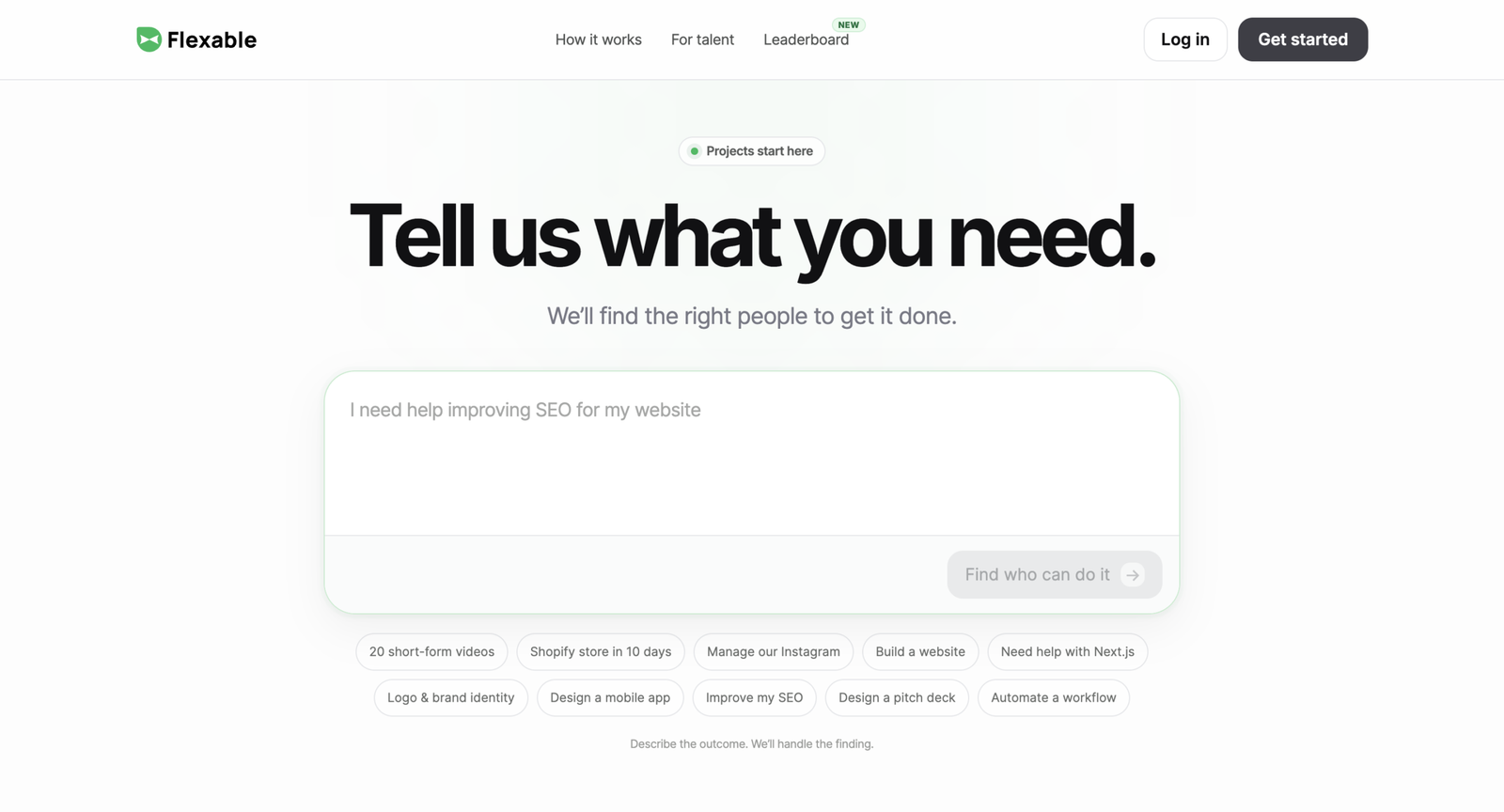
Flexable starts with the project rather than asking a client to search through hundreds of developer profiles.
A client explains what they are trying to build or fix, along with the budget, timeline and other project details, and relevant freelancers or teams can then be matched around that requirement. For someone working in tech, that could mean anything from frontend development and ecommerce work to larger software, data or product projects.
That approach can also make sense when a project needs more than one person. A backend developer may need a frontend engineer alongside them, or a product build may involve design, development and QA rather than one freelancer trying to cover everything.
Profiles still matter, but mainly because they help show whether someone has the right experience for the work in front of them.
That project-first approach is part of how the product has evolved. We explain it in more detail in FLXB 2.0: How Flexable Works Today.
Arc
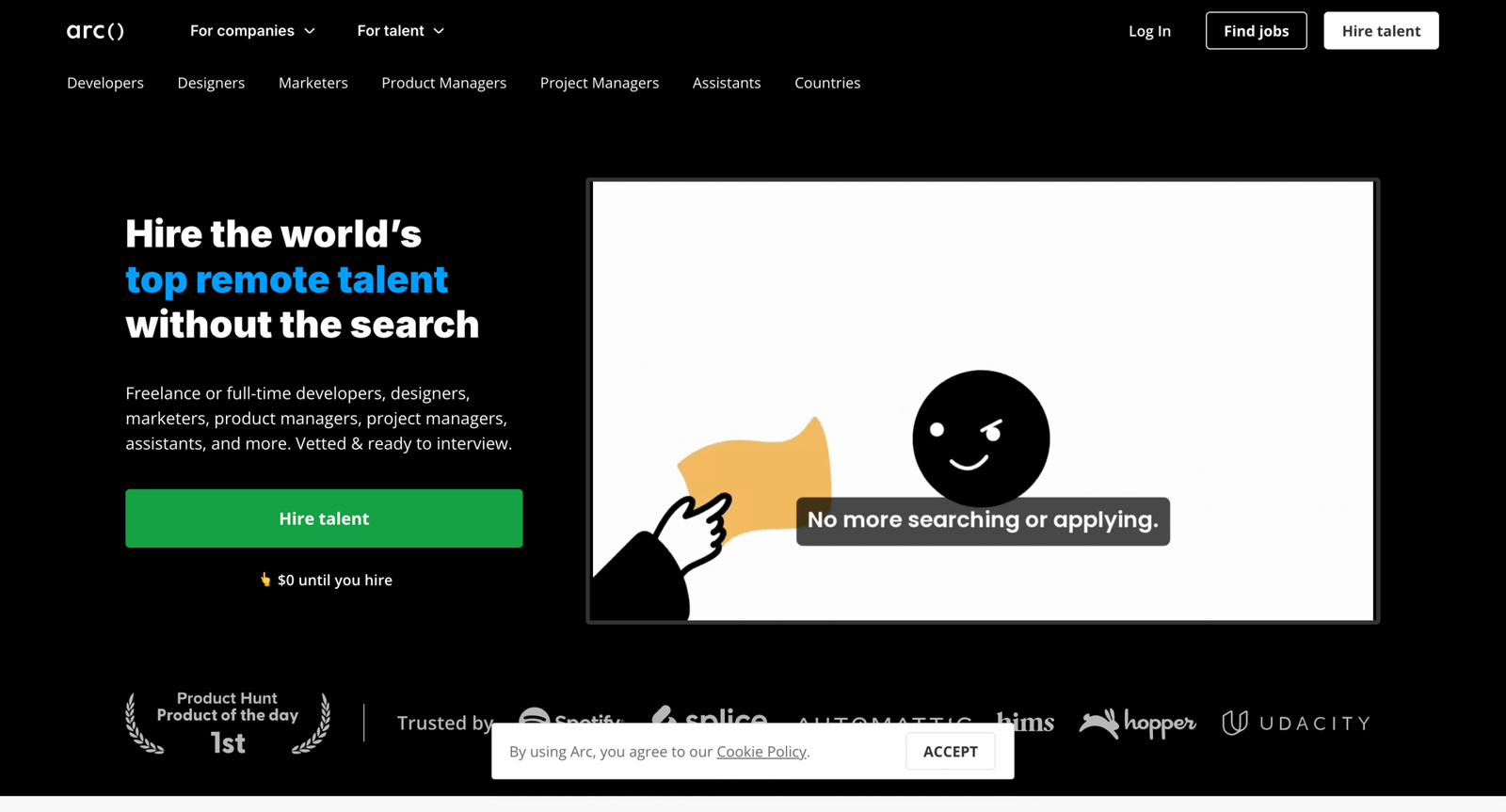
Arc is much more focused on developers and technical professionals than a general freelance marketplace.
Its network covers software developers, engineers, data specialists, DevOps professionals, QA engineers, fractional CTOs and other technical roles. Companies can use Arc for freelance contractors as well as longer-term remote hiring.
That distinction matters because many experienced developers are not looking for ten small projects every month. They may prefer one serious client where they can work deeply on a product for several months.
Arc uses vetting for parts of its network, so it tends to make more sense once you already have professional development experience and can demonstrate it.
For mid- or senior-level engineers looking for remote technical work rather than small gigs, it is one of the more focused platforms worth knowing.
Toptal
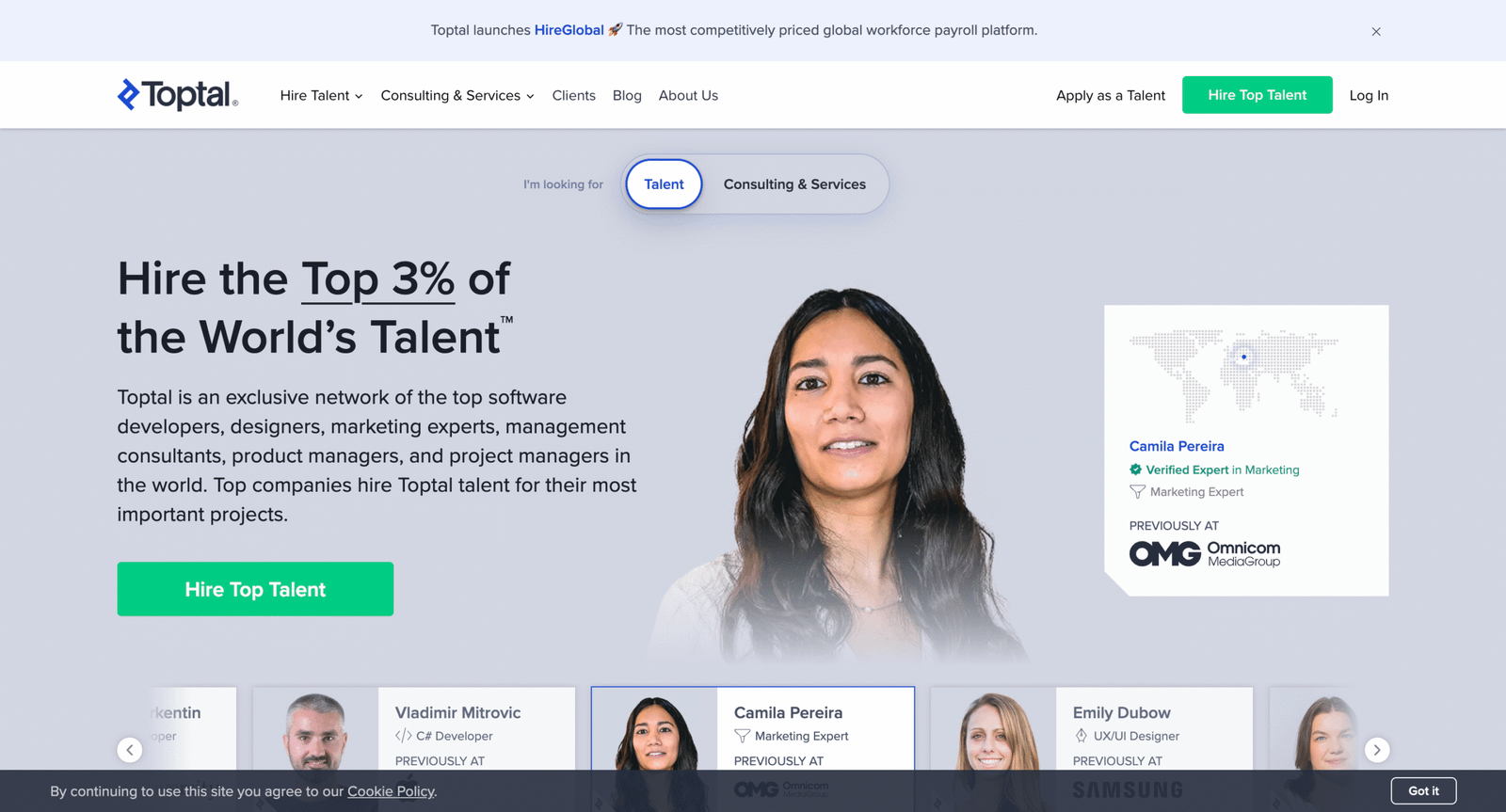
Toptal is another platform that sits closer to a screened professional network than an open freelance marketplace.
It works across software development, design, finance, project management and consulting, but technology has always been a major part of the platform.
The screening process is important here. You are not simply creating a profile and immediately applying to hundreds of jobs. Toptal evaluates applicants before they become part of the network.
That makes it a poor starting point if you have just finished learning JavaScript and are looking for a first client. It becomes much more relevant once you have several years of professional experience and are comfortable being assessed on it.
Experienced engineers who prefer being matched to clients rather than spending a large part of the week searching open project feeds may find that model more attractive.
Gun.io
Gun.io is built specifically around software engineering talent.
That narrower focus changes the type of marketplace you are entering. Instead of competing with writers, designers, marketers and hundreds of unrelated categories, you are dealing with a platform whose clients are already there because they need technical people.
The network is aimed more at experienced developers than beginners, and the matching process is more curated than a completely open bidding marketplace.
This can make sense for software engineers who already know their stack, have meaningful professional experience and want startup or technology-company projects where the client understands what an experienced developer costs.
If you are still building basic portfolio projects, I would start somewhere more open first.

Lemon.io
Lemon.io is heavily focused on connecting experienced developers with startups.
That startup focus gives it a different feel from a giant general marketplace. The work is usually less about someone needing a tiny coding fix and more about companies that need engineering capacity around a real product.
Developers go through a screening process before entering the talent pool, so again, this is more relevant once you have enough commercial experience to show how you actually work on production projects.
For developers who enjoy startup environments, smaller teams and product work, it is worth exploring alongside Arc, Gun.io and Toptal rather than comparing it directly with a platform like Fiverr.

Codeable
Codeable is much narrower than almost everything else on this list.
It focuses specifically on WordPress.
That includes custom development, plugins, themes, WooCommerce, performance work, troubleshooting and other projects inside the WordPress ecosystem.
The narrowness is the useful part.
If you are already a strong WordPress developer, you do not necessarily need another marketplace containing Python projects, mobile apps, data science jobs and logo-design contests. A client coming to Codeable is already looking for the kind of expertise you have.
For a general software engineer, that obviously makes the platform irrelevant. For someone who has built a career around WordPress and WooCommerce, the specialisation can be exactly what makes it interesting.

Upwork
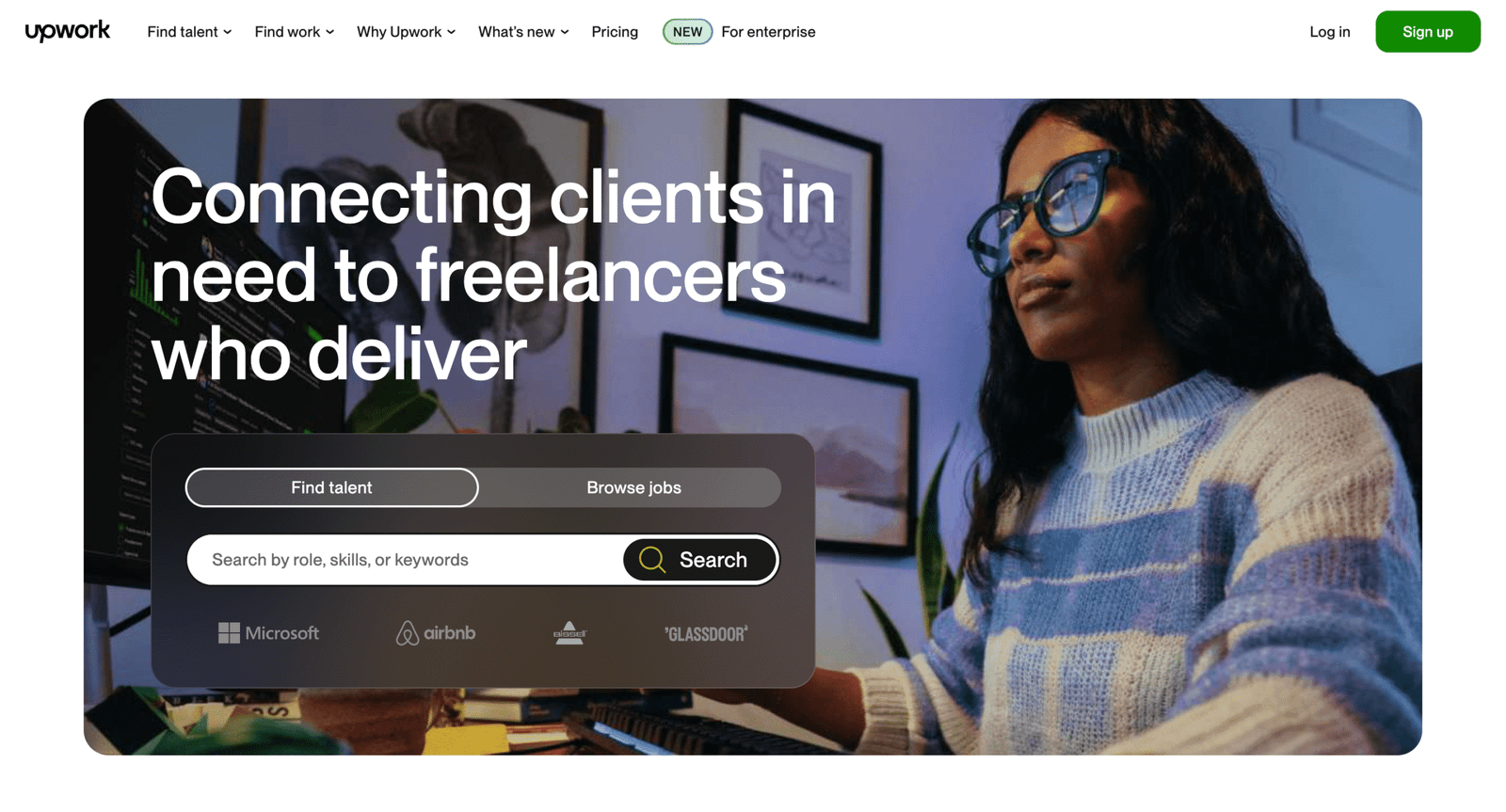
Upwork is much broader than the specialist platforms above, but the amount of technical work available is why it still belongs here.
You can find projects across frontend and backend development, mobile apps, cloud infrastructure, DevOps, AI, machine learning, data engineering, automation, QA, cybersecurity, ecommerce and plenty of other technical categories.
The marketplace is open, which gives people at different experience levels a way in. It also means there is much more competition and a wider range of project quality.
The useful part is being selective.
A backend engineer who clearly works with Python, APIs and distributed systems should not spend time applying to every vaguely technical project. A narrower profile and a smaller number of relevant proposals usually give the client a much clearer reason to respond.
Upwork can work for beginners, experienced developers and small technical teams, but those groups will usually be chasing very different projects.
Contra
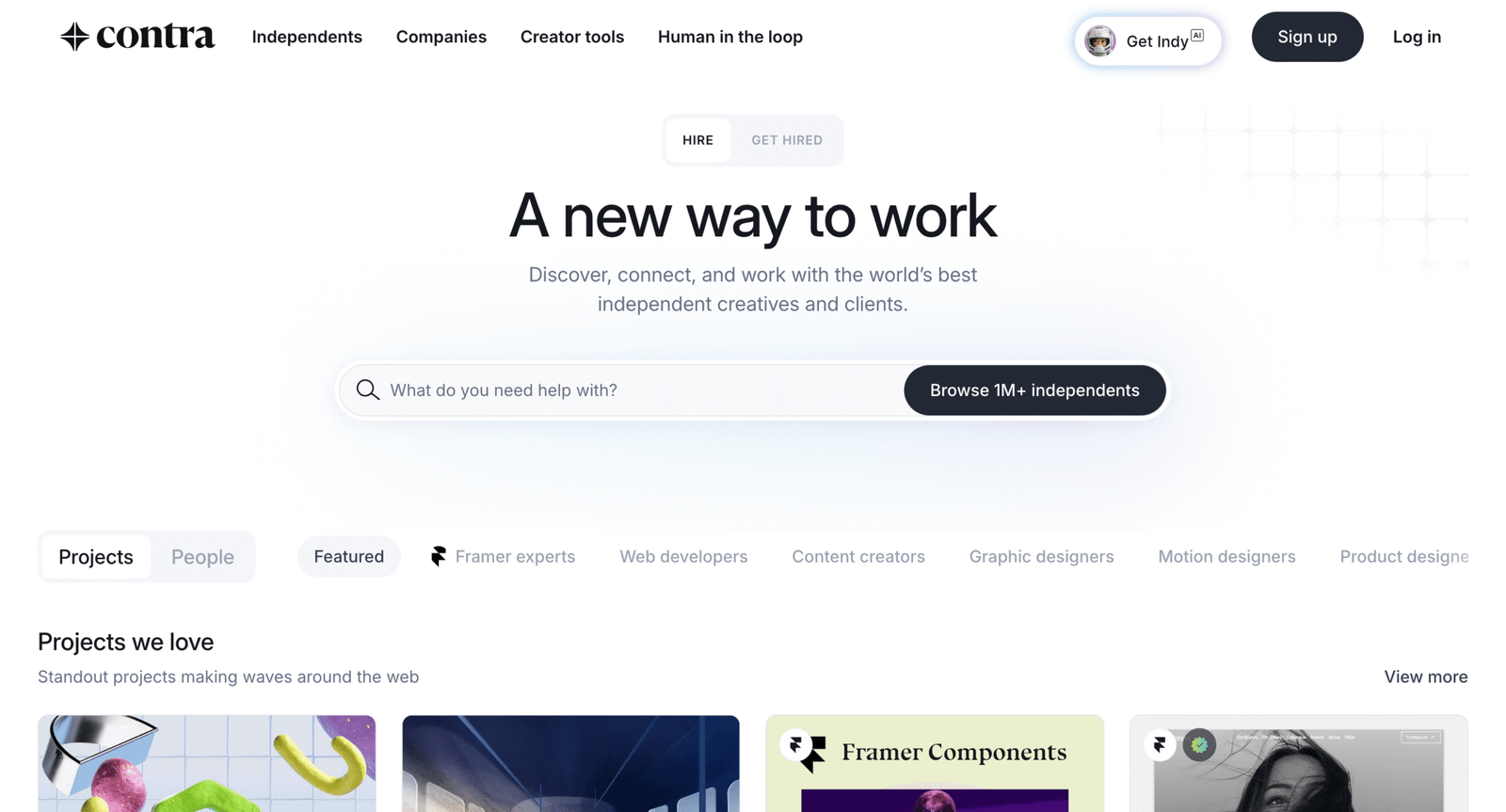
Contra approaches independent work from a more portfolio-led direction.
That can work particularly well for frontend developers, product engineers, no-code specialists, creative developers and other technical freelancers whose finished work is easy to show.
Instead of relying entirely on an endless bidding feed, you can build a professional presence around what you have worked on, the services you provide and the kind of projects you want.
For developers, a portfolio does not need to mean screenshots of pretty websites either. You can explain what you built, the technical problem, your role in the project and what changed after the work.
That kind of context becomes increasingly useful as you move beyond competing on programming-language keywords alone.
Fiverr
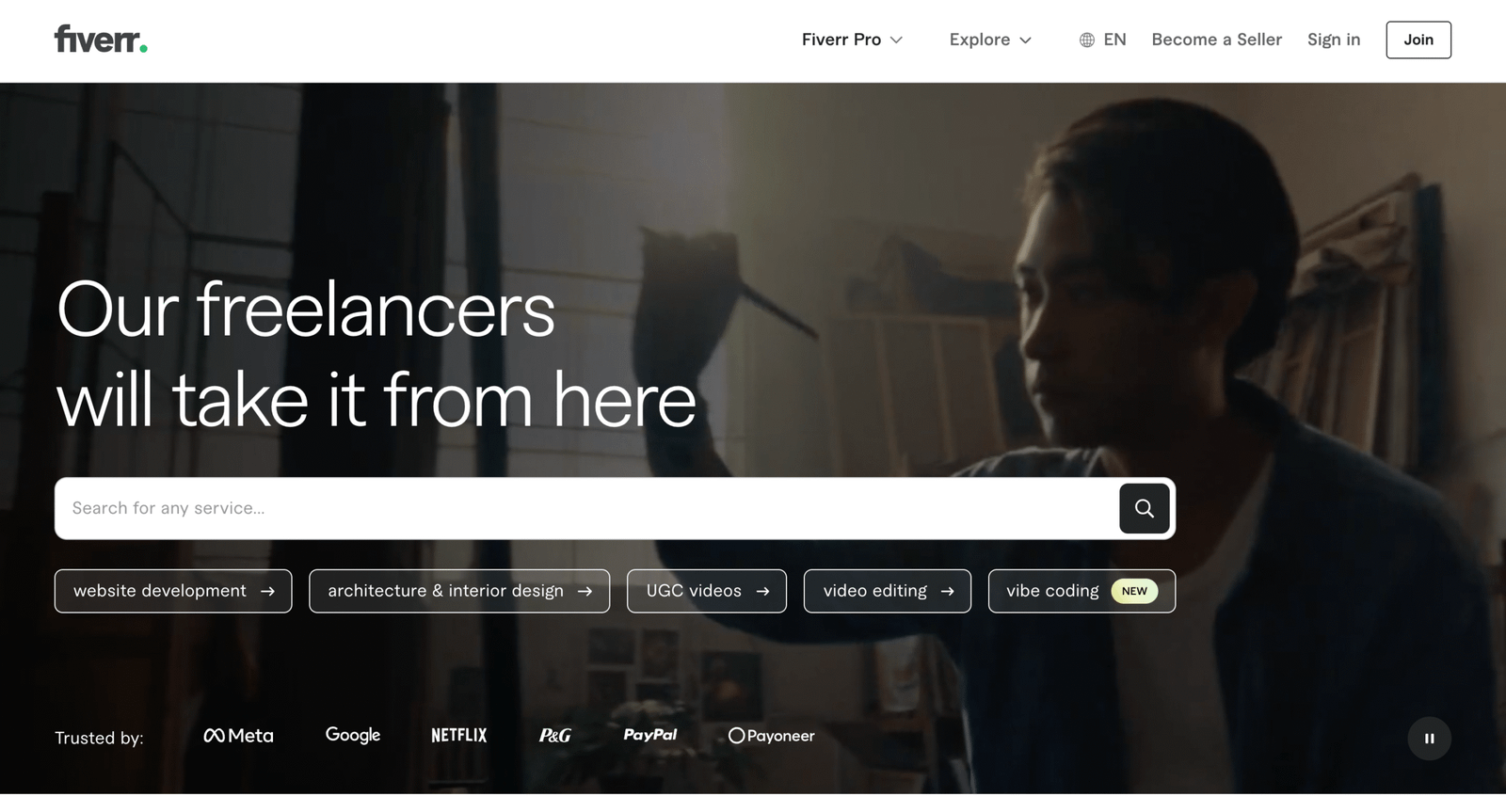
Fiverr can work for technical freelancing, but usually when the service is easy to package.
A WordPress speed optimisation, Shopify fix, API integration, bug fix, analytics setup or automation service can all be explained as something a client can buy without a long procurement process.
Building an entire SaaS product from scratch is much harder to squeeze into the same model.
That is why Fiverr often makes more sense for clearly scoped technical services than for open-ended software engineering.
If you use it, think less about “I am a developer” and more about the specific technical problem someone would pay you to solve.
That gives the client something concrete to buy.
Freelancer.com
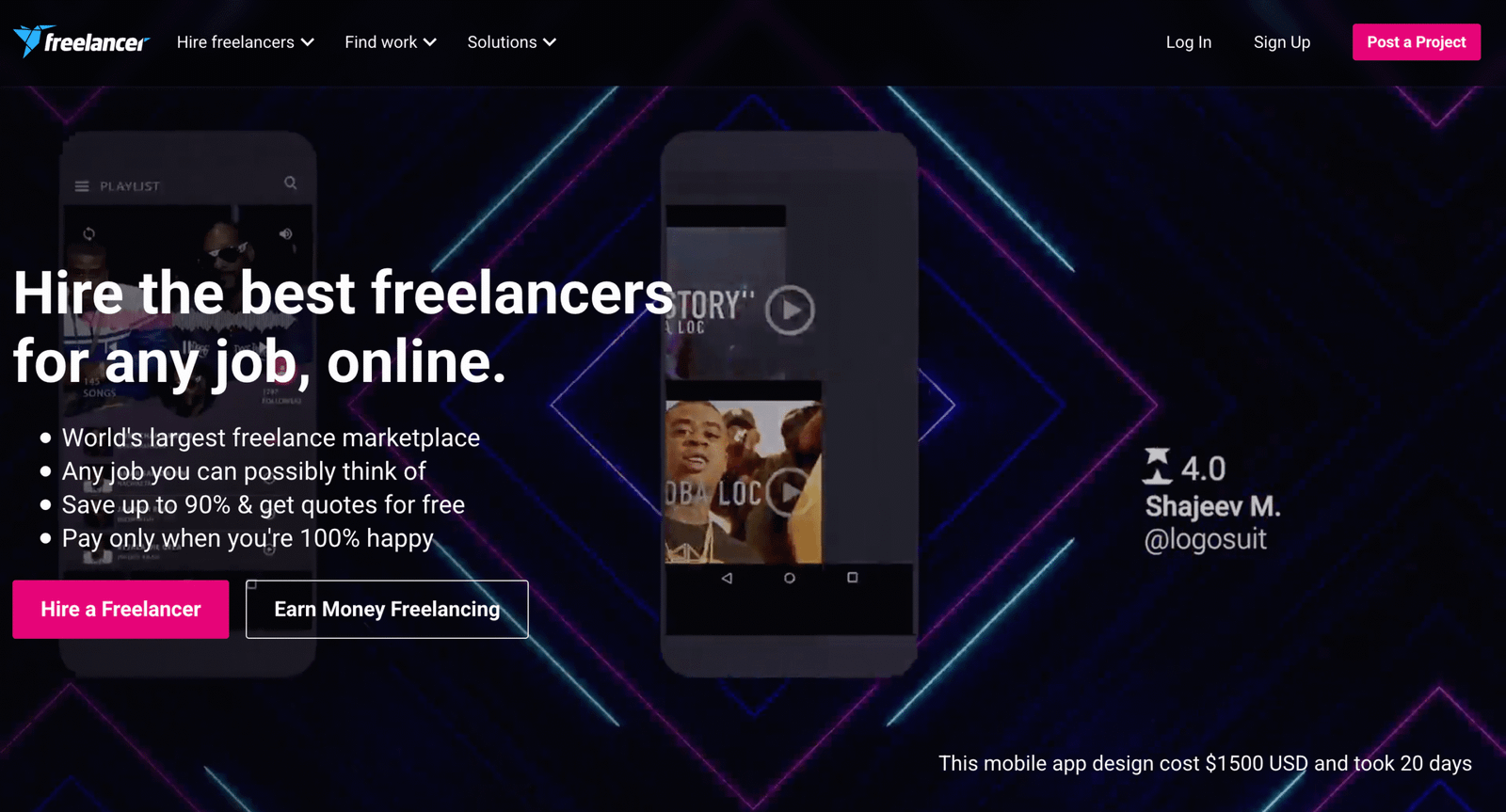
Freelancer.com has a large technology category and uses the more traditional bidding model.
Clients post projects and freelancers submit offers. Technical work ranges from basic website changes to mobile applications, software development and engineering projects.
The amount of work means there is usually plenty to look through, but project quality can vary a lot.
That makes filtering part of the job.
A vague request for an entire application at an unrealistic budget is not suddenly a good opportunity because you could win it. Understanding scope and avoiding bad projects becomes just as important as writing code.
For developers comfortable with bidding marketplaces, it can be another source of work, but I would use it selectively.
LinkedIn becomes especially useful for IT freelancers once they have some professional experience.
A lot of good technical contracting never reaches a traditional freelance marketplace.
A startup needs a backend engineer for three months. A company has a migration project and needs a cloud specialist. An agency wins a larger build than its internal team can handle. A former engineering manager moves to another company and needs someone they already trust.
Those opportunities often start through existing professional relationships.
For developers coming out of permanent employment, that can make LinkedIn particularly valuable because former colleagues already know whether you can actually ship software, communicate with a team and work without constant supervision.
You do not need to become a daily LinkedIn content creator. A clear profile, relevant work and a network that understands what you do can be enough to create opportunities over time.

An IT freelance marketplace and a remote developer job site are not the same thing
This distinction gets blurred a lot.
If you find a two-week API project on Upwork, that is clearly freelance project work.
If Arc connects you with a company that wants a developer for six months, the relationship starts looking closer to contracting.
A full-time remote engineering role is different again.
All three may appear when you search for “freelance developer jobs,” but the working relationship is not identical.
Before joining a platform, think about what you actually want. Some developers enjoy moving between projects. Others would much rather work with one client for six or twelve months and then move on.
The best website for those two people may be completely different.
What kind of IT work can you freelance?
Almost anything that a business does not necessarily need as a permanent internal role can become freelance or contract work.
Web development is the obvious example, but the market goes much further than that. Companies regularly bring in independent people for mobile development, backend systems, cloud migrations, DevOps, QA, cybersecurity, database work, data engineering, machine learning, automation, integrations, ecommerce and technical consulting.
AI has expanded that list again.
Businesses are experimenting with AI products, internal automation, retrieval systems, agents, model integrations and data workflows without always knowing whether those needs justify a permanent hire yet.
That can create good opportunities for specialists who understand the actual engineering around the tools rather than simply knowing how to write prompts.
The important part is being clear about the problem you solve.
“Software developer” tells a client very little.
“Backend developer working with Python and high-volume APIs” gives them something much more useful to evaluate.
Do developers still need a portfolio?
Yes, but it does not have to look like a designer’s portfolio.
For a developer, proof can take several forms.
You might have public applications, GitHub projects, open-source contributions, technical case studies, screenshots of products you built, or explanations of systems you worked on professionally.
A lot of commercial development work cannot be published publicly because it belongs to an employer or client. That is normal.
In that case, explain what you were responsible for without exposing confidential information. Describe the problem, the stack, what you personally built and what kind of scale or constraints you were working with.
Clients are usually trying to answer a fairly simple question: has this person solved something similar before?
Make that answer easy to find.
Being good at coding is only part of freelance development
This is one of the bigger differences between freelancing and working inside an engineering team.
When you freelance, clients also care about whether you can understand an unclear requirement, ask sensible questions, estimate work realistically and explain technical trade-offs without turning every conversation into an architecture lecture.
You need to know when something is outside the original scope. You need to communicate when a deadline is going to move. You need to tell a client when their preferred solution is creating a bigger problem.
Those skills become especially important as project value increases.
A client can find thousands of people who know React.
Finding someone who can take a messy product requirement, understand what actually needs to be built and deliver it without creating another mess is harder.
That is where experienced IT freelancers start becoming much more valuable.
How AI is changing IT freelancing
AI coding tools have made parts of software development much faster.
Developers can generate boilerplate, debug code, understand unfamiliar libraries, write tests and prototype ideas faster than they could a few years ago.
That does not remove the need for developers. It changes where the useful part of the developer sits.
Clients still need someone to understand the system, choose an architecture, connect different components, deal with security, test what was built and recognise when generated code is wrong.
The more basic coding becomes easier to produce, the harder parts of engineering become more visible.
For freelancers, that means being able to use AI tools is useful, but being able to take responsibility for the final system matters much more.
The broader effect of technology on independent work is something we also look at in our report on the global rise of freelancing.
Which IT freelancing website should you start with?
Start with your current level and the kind of work you want.
If you are still building experience and want access to lots of different projects, Upwork or Freelancer.com can give you a broad market to explore. Fiverr can make sense if you have a technical service that can be packaged clearly.
If you already have several years of professional software experience, Arc, Toptal, Gun.io or Lemon.io may be closer to the type of work you want.
WordPress specialists should look at Codeable because there is little reason to compete in a completely general marketplace if your expertise already fits a specialist network.
Contra makes sense when your previous work and portfolio are a large part of how clients decide to hire you, while LinkedIn becomes increasingly useful once your professional network starts producing direct opportunities.
You do not need profiles on every platform.
Pick the few that fit your experience and the way you want to work, and build enough of a presence there to find out whether the market actually fits you.
Final thoughts
There is no single best IT freelancing website because tech freelancing itself is too broad.
An experienced backend engineer looking for a six-month startup project should not necessarily use the same platform as someone selling WordPress fixes. A developer with a strong professional network may eventually get better work through LinkedIn than through any marketplace. Someone just getting started may need an open platform simply to build real client experience.
The platform is only one part of it.
The bigger advantage comes from knowing where you are useful, showing enough proof that clients believe you, and being able to take responsibility for the work once somebody hires you.
If you are new to independent work, our guide to what freelancing is and how it actually works covers the basics.
And if you want to look beyond technology and compare the wider market, we’ve put together a separate guide to the best freelance websites to find work in 2026.